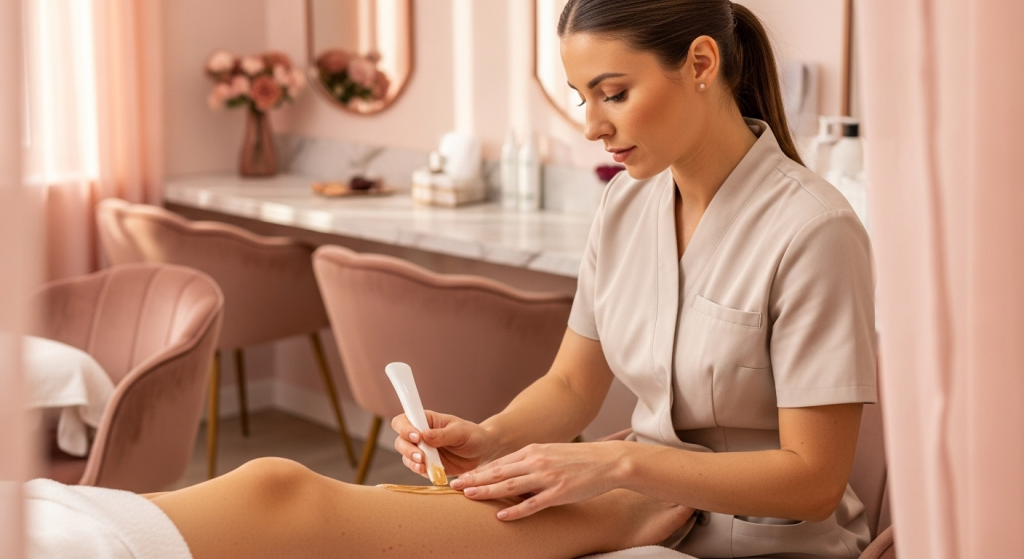
If you have ever considered waxing to achieve silky-smooth skin, you know the anticipation: the promise of soft results versus the anxiety, especially when you have sensitive skin. Waxing sensitive skin requires careful consideration, preparation, and aftercare. Without the right approach, you may face redness, irritation, or even stubborn bumps. Done correctly, waxing can be both effective and gentle—even transformative for your beauty routine. In this guide, we unravel everything you need to know about waxing sensitive skin, including expert tips, essential dos and don’ts, and the value of trusting experienced professionals for the safest possible spa experience.
Understanding the Challenges of Waxing Sensitive Skin
Waxing is a popular hair removal technique, but for those with sensitive skin, it can pose unique challenges. Sensitive skin is more reactive to stress, friction, and chemicals, often manifesting as redness, rashes, or burning sensations during or after waxing.
What Makes Skin Sensitive?
Sensitive skin isn’t just a diagnosis; it’s a spectrum of reactions. Some individuals have naturally delicate skin, while others may have skin that becomes sensitized due to environment, products, or over-exfoliation. This increased reactivity makes waxing sensitive skin a bit trickier, requiring special knowledge, product selection, and techniques.
Common Reactions After Waxing Sensitive Skin
When proper care isn’t followed, sensitive skin may experience:
– Redness lasting hours or even days
– Swelling or raised patches
– Stinging or burning sensations
– Post-wax bumps (pseudofolliculitis)
– Rarely, minor bleeding or bruising
Preparation, gentle product choices, and professional techniques can help minimize these reactions and ensure optimal comfort and results.
How to Prepare for Waxing Sensitive Skin
Preparation is key when waxing sensitive skin. By creating the right foundation before your appointment, you significantly reduce the risk of adverse reactions.
Pre-Waxing Skincare Routine
Follow these steps before your waxing appointment for best results:
– Gently exfoliate the area 24–48 hours in advance to remove dead skin cells and help prevent ingrown hairs. Avoid rough scrubs; opt for a mild exfoliant.
– Keep skin clean and free of oils or lotions on the day of waxing, as these can interfere with the wax’s grip and increase sensitivity.
– Avoid sunbathing, tanning beds, or harsh skin treatments (like peels or retinoids) in the week leading up to waxing. Such treatments make sensitive skin even more vulnerable.
– If you’re nervous about discomfort, consider taking an anti-inflammatory (with your doctor’s approval) about 30–60 minutes prior to your appointment.
– Communicate your concerns and skin sensitivities when booking professional waxing services, such as with Waxing Services at Bronze Salon.
Patch Test Before Full Waxing
If trying a new salon, wax brand, or home kit, always perform a patch test on a small area. Wait 24 hours to check for any adverse reactions before proceeding with a full waxing session.
Choosing the Best Wax and Products for Sensitive Skin
Not all wax products are created equal—especially when it comes to waxing sensitive skin. Choosing the right formula helps ensure a gentle experience and beautiful outcome.
Hard Wax vs. Soft Wax: What’s Better?
– Hard Wax: Recommended for sensitive areas (bikini, face, underarms), hard wax adheres to hair—not to skin. This minimizes discomfort and reduces irritation, making it a top choice for waxing sensitive skin.
– Soft Wax: Best for larger, less sensitive areas like legs or arms. It adheres to skin and hair, which can be more irritating for delicate or reactive skin types.
Ingredients to Seek (or Avoid)
When waxing sensitive skin, ingredient selection is crucial:
– Seek: Waxes containing soothing ingredients like chamomile, azulene, aloe vera, or calendula. These help minimize post-wax inflammation.
– Avoid: Fragranced waxes, artificial dyes, and strong chemical additives. These can trigger sensitivity or allergic reactions.
Professional salons like Bronze Salon often use high-quality, hypoallergenic waxes specifically designed for sensitive skin. Don’t hesitate to ask your esthetician about the products they use.
Expert Application Techniques: Minimize Discomfort, Maximize Results
Even the best products are only as good as the technique used. For waxing sensitive skin, the way wax is applied and removed can make all the difference.
Professional vs. DIY Waxing
– Professionals are trained to use precise temperatures, apply wax in the direction of hair growth, and remove it at the correct angle—minimizing trauma to sensitive skin.
– DIY waxing is possible, but if you’re not experienced, you risk burns, improper hair removal, or unnecessary irritation. Sensitive skin types especially benefit from the expertise of a seasoned esthetician.
Other Tips for Gentle Application
– Apply a thin, even layer of wax. Thickly applied wax can be too harsh and may lift skin.
– Hold skin taut with your free hand before removing the wax strip—this reduces discomfort and prevents bruising.
– Remove wax with a quick, parallel motion rather than upward, which can tug on skin and trigger more irritation.
– Avoid waxing broken skin, open wounds, or areas with active rashes.
Aftercare Essentials for Waxing Sensitive Skin
Post-wax care is critical for soothing sensitive skin and ensuring a smooth, bump-free result. Following the right regimen minimizes downtime and keeps sensitive skin comfortable.
Immediate Post-Waxing Steps
– Apply a cold compress to reduce warmth or redness immediately after waxing sensitive skin.
– Use soothing, fragrance-free lotions containing aloe vera, chamomile, or allantoin. Your esthetician may recommend specialized post-wax products.
– Avoid any sources of heat (hot showers, saunas, steam rooms) for 24 hours.
– Resist the urge to touch, scratch, or exfoliate the waxed area for a day or two after treatment.
What to Avoid After Waxing Sensitive Skin
– Sun exposure: Skin is more prone to burning after waxing.
– Tight clothing: Friction can trigger irritation or bumps.
– Heavy workouts: Sweat can introduce bacteria and lead to breakouts or folliculitis.
– Scented products: Perfumes, lotions, or sprays can worsen post-wax sensitivity.
– Swimming pools or hot tubs: Chlorine can aggravate freshly waxed, sensitive skin.
Naturally, proper aftercare helps maintain not just hair-free skin, but a soft, healthy glow. Consider incorporating supplemental professional Skincare Services to keep your sensitive skin in optimal condition year-round.
When to Seek Professional Help: Signs of Trouble After Waxing Sensitive Skin
Sometimes, even with perfect preparation and aftercare, sensitive skin may react unpredictably. While mild redness is normal, certain symptoms require prompt attention.
Watch for These Signs:
– Redness or swelling that worsens with time
– Severe burning, stinging, or pain lasting more than 48 hours
– Pus, oozing, or signs of infection
– Blistering or open sores
If you notice any of these reactions after waxing sensitive skin, contact a healthcare provider or consult a reliable, trusted salon for guidance. Your comfort and safety always come first.
FAQs About Waxing Sensitive Skin
Is waxing safe for all sensitive skin types?
Generally, waxing can be safe when performed using the correct wax, appropriate technique, and gentle aftercare. However, those with active dermatitis, eczema, or skin allergies should consult a dermatologist first. A patch test is always recommended.
How often should waxing be done on sensitive skin?
Most people schedule waxing every 4–6 weeks. For sensitive skin, stretching the interval to allow full recovery minimizes the risk of cumulative irritation.
Can medications affect waxing sensitive skin?
Yes—prescriptions like retinoids, acne medications, and certain topical creams thin the skin and should be paused before waxing (consult your doctor). Always inform your esthetician about your skincare routine and medications.
Which body areas need extra care?
– Face, especially the upper lip and eyebrows
– Underarms and bikini area
– Areas with frequent friction (inner thighs, groin)
Delicate regions require the highest precaution and may benefit from targeted Eyebrows & Lashes Services for gentler, more customized attention.
How to Choose the Right Salon for Waxing Sensitive Skin
The difference between discomfort and a pampering, thorough waxing experience often comes down to where you go. Here’s what to seek:
Qualities of a Sensitive-Skin-Friendly Salon
– Licensed, experienced estheticians trained in waxing sensitive skin
– High-quality, hypoallergenic products free from harsh chemicals
– Pristine hygiene practices, including single-use applicators and sanitized spaces
– Willingness to answer your questions and customize service to your needs
At Bronze Salon, our team specializes in women’s wellness and beauty, blending expertise with compassion for every client. We understand that waxing sensitive skin means more than removing hair—it’s about helping you feel confident and pampered in safe, skilled hands.
Additional Services to Enhance Results
Sensitive skin sometimes needs a little extra TLC. Many women in Dubai choose complementary therapies:
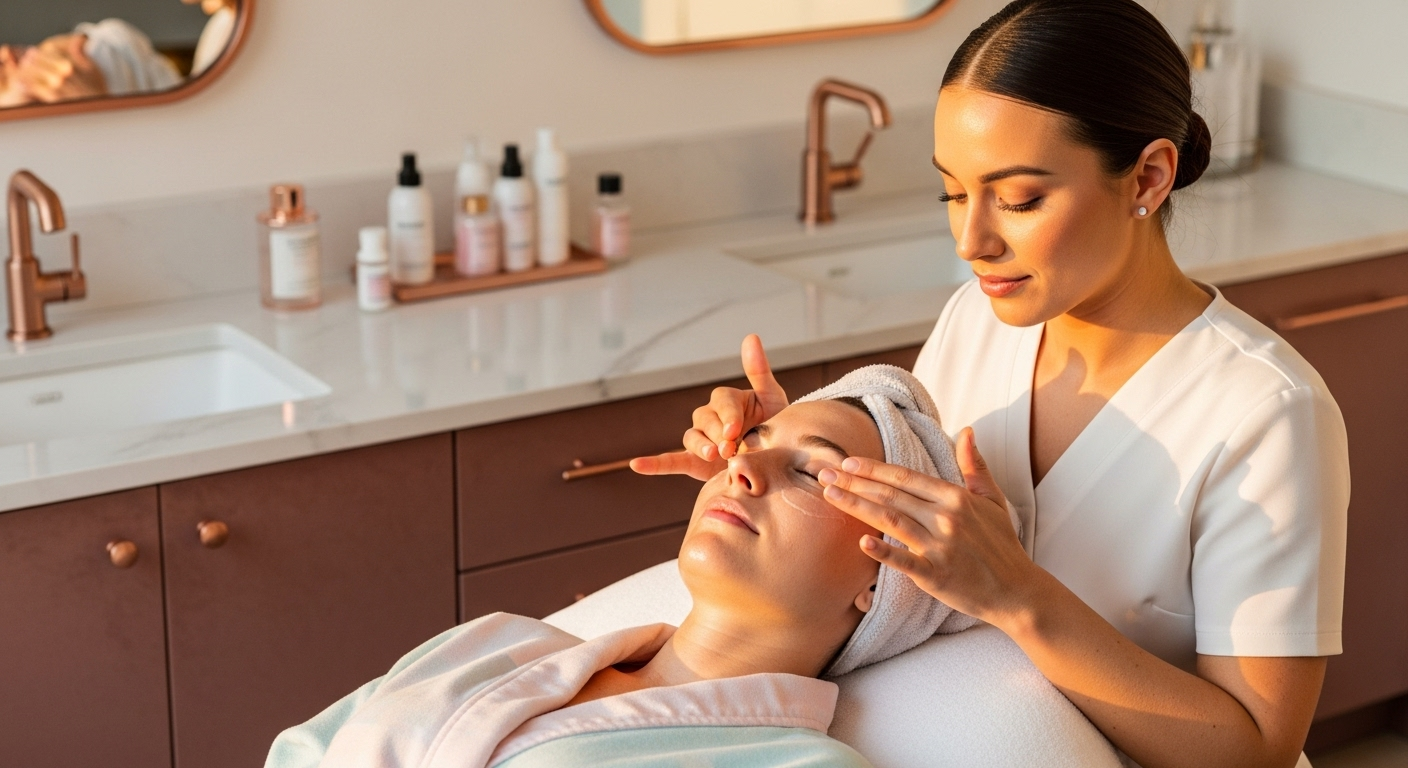
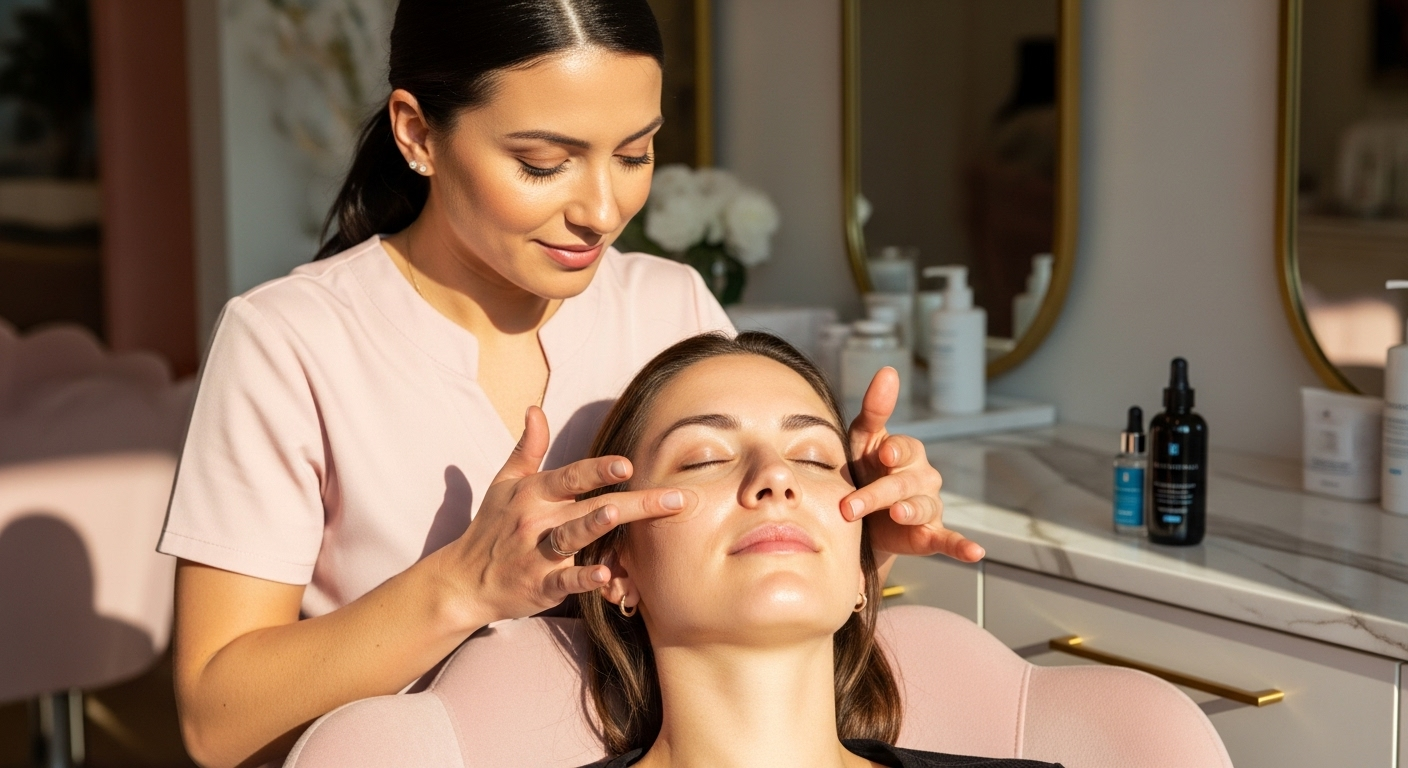
– Gentle facials and post-wax calming masks (see Skincare Services)
– Soothing Turkish hammam or aromatherapy sessions (explore Bath & Massage Services)
– Hand and foot pampering after waxing (try Nails Services)
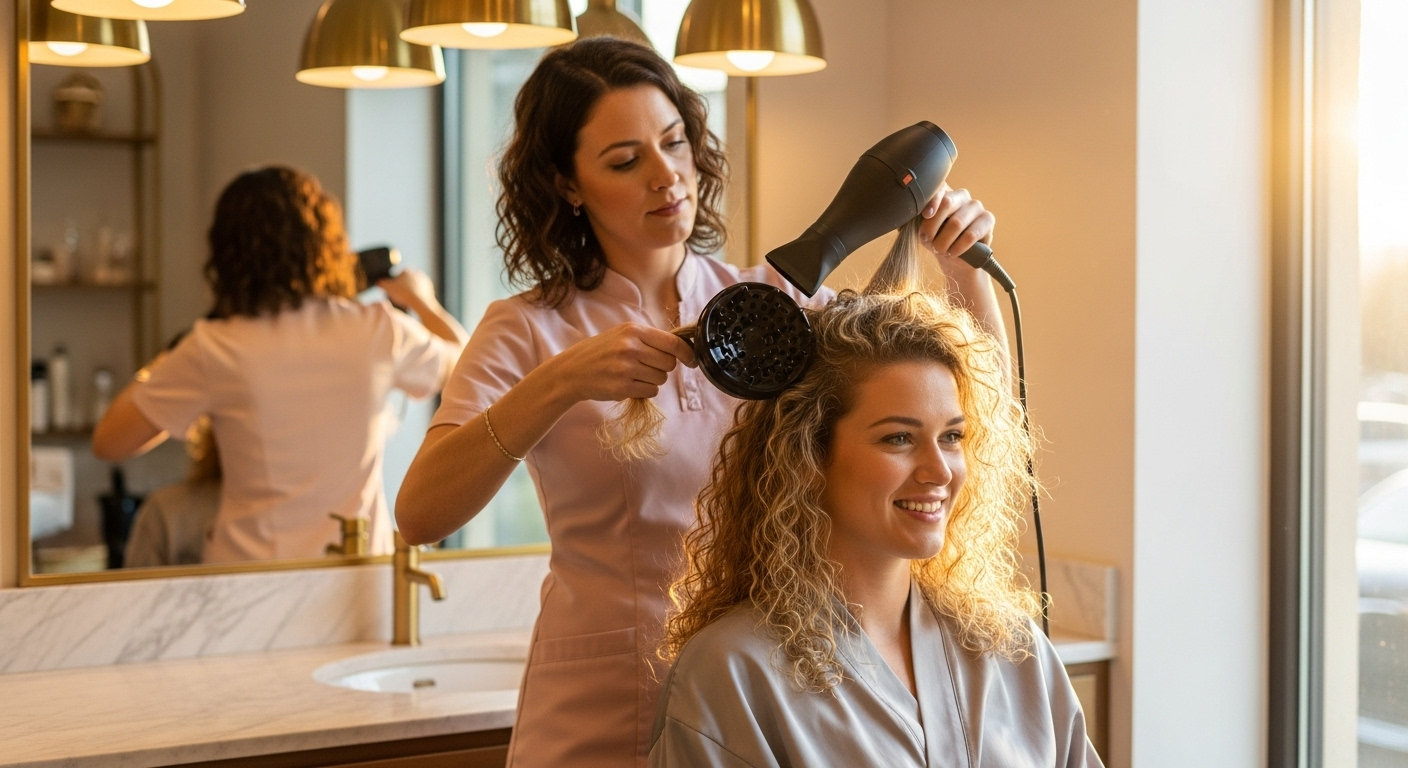
– Professional hair styling or brow shaping right after waxing for a complete beauty boost (Hair Styling Services)
Secret Spa Tips for Happy, Healthy Sensitive Skin
Beyond technique and pampering treatments, a few insider strategies can make all the difference in waxing sensitive skin.
Timing and Scheduling
– Avoid waxing during your menstrual cycle, when skin is naturally more sensitive.
– Schedule appointments late in the day if possible, so any redness fades overnight.
– Don’t pile harsh treatments (exfoliations, peels, tanning) close to your wax—space them apart.
Communicate & Clarify
– Always let your esthetician know about allergies, medications, or past waxing reactions.
– Ask for post-wax care instructions and suitable product recommendations.
Embrace Spa Etiquette
At premium salons like Bronze Salon, you’re encouraged to relax, ask questions, and communicate your needs. Whether you book through their easy Book an Appointment page or by phone, you deserve attentive care every step of the way.
Your Waxing Sensitive Skin Journey Starts Here
Waxing sensitive skin doesn’t need to be a daunting, uncomfortable ordeal. With mindful preparation, careful choice of products and salons, and dedicated aftercare, you’ll enjoy smooth, soft results—without the drama. Trust your skin to seasoned professionals at a women’s wellness haven like Bronze Salon, where every service is an invitation to feel confident and cared for. Ready to embrace a beautiful, irritation-free waxing experience? Review the latest tips and stories on our Blog, explore specialized Waxing Services for sensitive skin, or Contact Bronze Salon to get all your questions answered. Your radiant, comfortable skin is just one appointment away—don’t wait, take the next step toward beauty and well-being today!