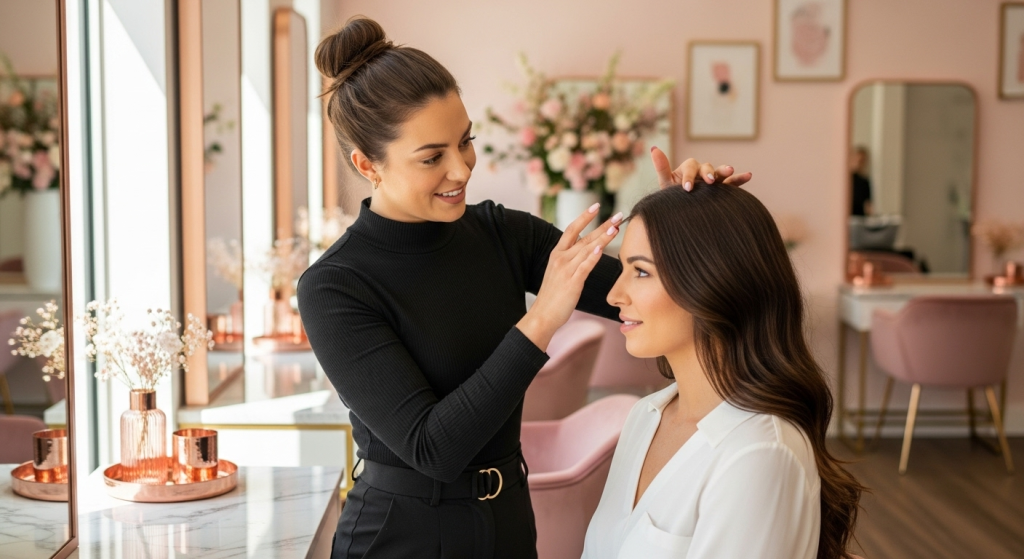
Feeling like your hair changes with your mood or the time of the month? You’re not imagining it—your hormones play a powerful role in how your hair looks, feels, and grows. From luscious locks during pregnancy to unexpected shedding around menopause, hormonal hair changes are a real phenomenon for women. Whether you notice subtle differences during PMS or major shifts as you move through life stages, understanding the connection between your hormones and your hair is crucial. Let’s unravel why your mane responds to hormonal fluctuations and, most importantly, how you can manage these changes to keep your hair looking its absolute best.
Understanding Hormonal Hair Changes: Why Your Hair Reacts
Our bodies are marvelously complex, and hormones serve as their chemical messengers. They influence nearly every process, including the growth cycle of your hair. The main hormones involved in hair’s health include estrogen, progesterone, and androgens. Fluctuations in these hormones—especially during PMS, pregnancy, and menopause—cause an array of hormonal hair changes.
The Hair Growth Cycle Explained
Before exploring these phases, it helps to know how hair grows:
– Anagen Phase: Active hair growth (lasts 2–7 years).
– Catagen Phase: Brief transition when hair follicles shrink.
– Telogen Phase: Resting phase, when hair falls out and new hair starts growing in.
Hormonal hair changes can accelerate or disturb these phases, leading either to more hair growth or increased shedding.
Key Hormones Impacting Hair
– Estrogen: Promotes hair growth and prolongs the anagen phase, making hair appear fuller.
– Progesterone: Helps counter the effects of androgens on hair follicles.
– Androgens (like testosterone): Too much can shrink hair follicles and lead to thinning or loss.
Your natural hormone balance decides how thick, shiny, or strong your hair appears at any given moment.
Hormonal Hair Changes During PMS
For many women, the days leading up to their period come with more than just cramps and mood swings. Hormonal hair changes during PMS can subtly alter the texture and appearance of your hair.
Why Does PMS Affect Hair?
During PMS, estrogen and progesterone levels dip while androgen levels (like testosterone) rise. This can kick off a few noticeable changes:
– Greasier Hair: Increased oil production can make your hair feel limp or flat.
– Scalp Sensitivity: Hormonal shifts may also cause inflammation, making your scalp feel tender.
– Shedding Spikes: Many women find they lose more hair in the premenstrual week.
Practical Tips to Manage PMS-Related Hair Changes
– Choose gentle, sulfate-free shampoos to avoid irritation.
– Wash your hair slightly more often to manage oiliness.
– Avoid heavy conditioners and opt for lightweight leave-ins.
– Schedule a relaxing bath & massage service to soothe stress, which can exacerbate shedding.
Paying attention to these small adjustments can keep hormonal hair changes in check during your cycle.
The Impact of Pregnancy on Hair: Hormonal Hair Changes at Their Peak
Pregnancy is perhaps the most dramatic example of hormonal hair changes in a woman’s life. Many expectant mothers notice their hair looking fuller and shinier—but there’s also the postpartum shedding to consider.
Why Does Hair Look Better During Pregnancy?
– Estrogen Surge: High estrogen levels keep more hairs in the growth (anagen) phase, resulting in increased thickness and reduced shedding.
– Better Nutrient Delivery: Improved blood flow and prenatal vitamins can support hair health.
Most women love this “pregnancy hair,” but it only lasts as long as hormone levels stay elevated.
Postpartum Hair Loss Explained
Once the baby is born, estrogen drops rapidly. Those extra hairs that stuck around during pregnancy enter the telogen (resting) phase and begin to shed, usually about 2-4 months postpartum. This is entirely normal but can feel alarming.
How to Cope With Dramatic Shifts
– Maintain a healthy diet rich in iron, protein, and vitamins.
– Use a wide-toothed comb to gently detangle hair and reduce breakage.
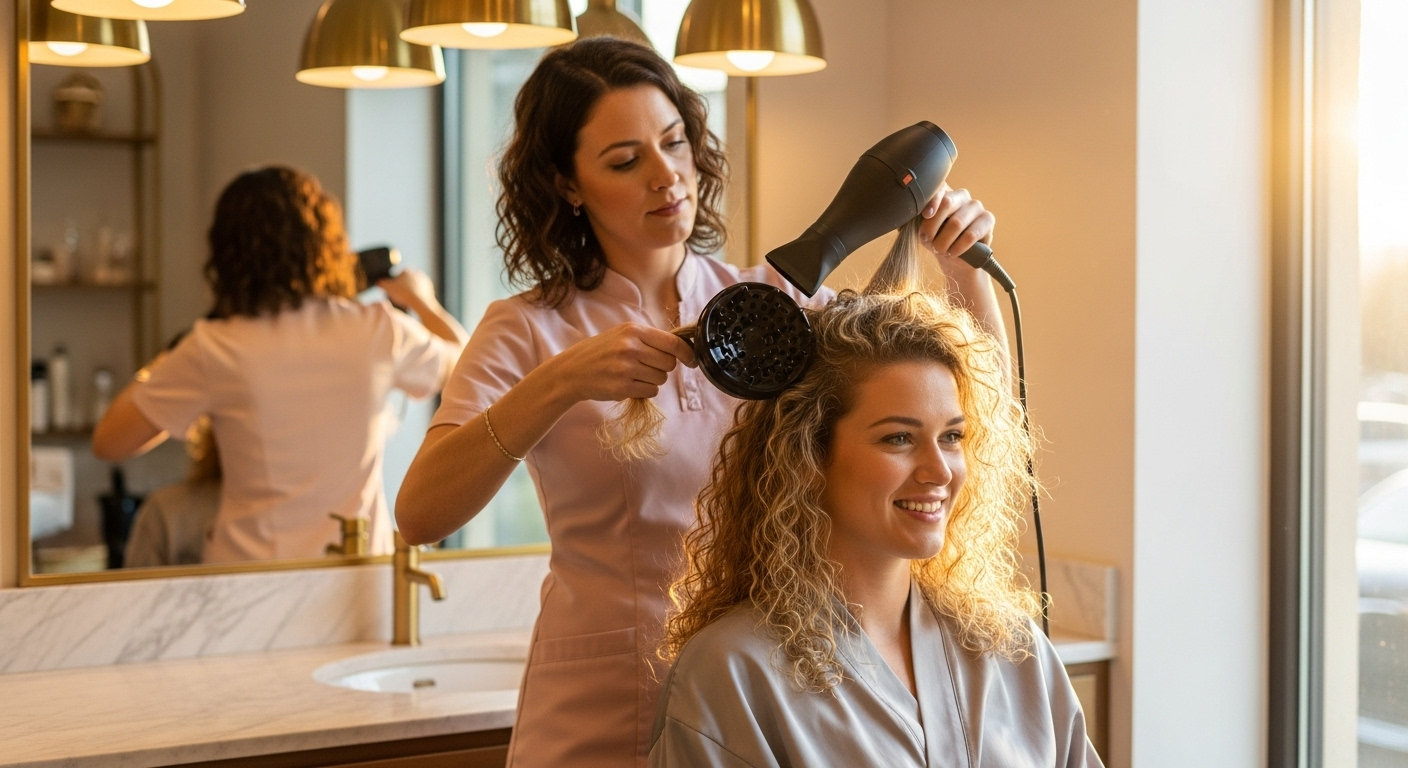
– Schedule a revitalizing hair styling session to boost confidence and refresh your look.
– Try a nourishing hair mask or treatment once a week.
Being patient and gentle with your hair as it recovers from these hormonal hair changes is essential for minimizing shed and breakage.
Menopause and Beyond: Lasting Hormonal Hair Changes
Menopause, which typically begins between ages 45 and 55, involves a significant drop in estrogen and progesterone. These shifts can lead to long-term hormonal hair changes.
Common Hair Concerns During Menopause
– Thinning & Shedding: Lower estrogen allows androgens to have a stronger effect, shrinking hair follicles, especially at the crown.
– Dryness & Brittle Texture: Hair may lose moisture and shine.
– Slower Growth: Follicles spend more time in the resting phase.
Many women also notice changes in the texture, leading to frizz or waves where hair once felt smooth.
Managing Menopausal Hair Changes
– Invest in deep conditioning treatments for moisture and strength.
– Avoid harsh chemicals or excessive heat styling.
– Consider a layered haircut to create more volume.
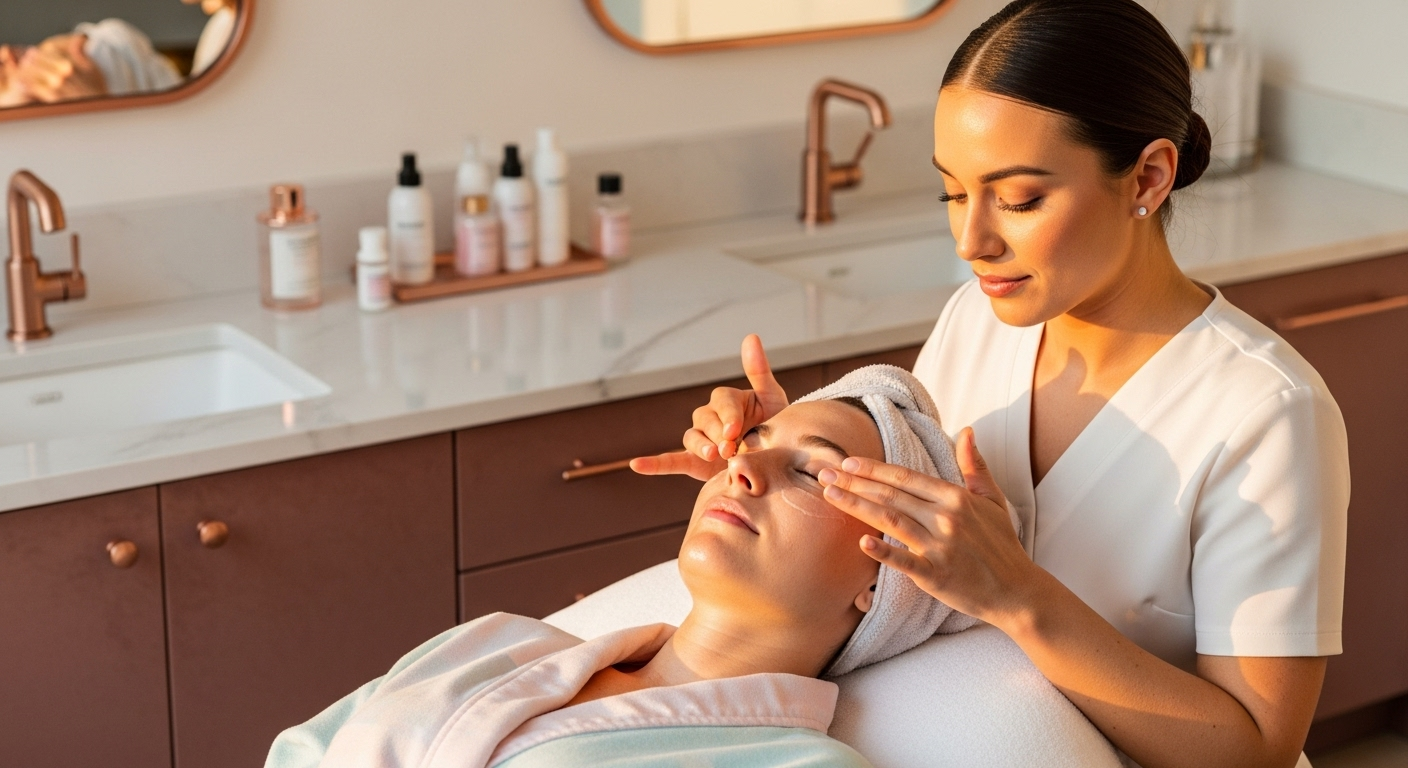
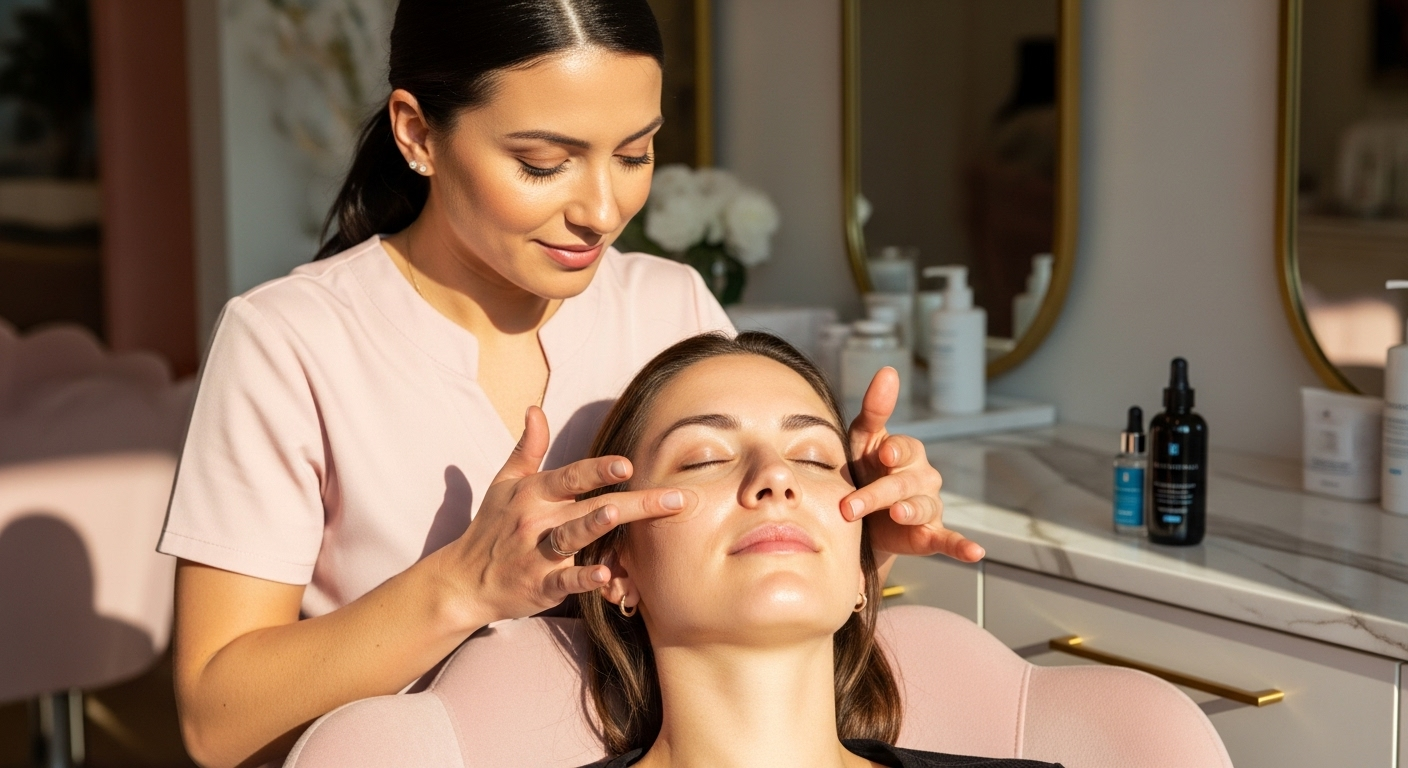
– Explore skincare services for your scalp, which can help stimulate hair growth and maintain scalp health.
If you’re noticing persistent thinning, consult a hair care or medical professional. Customized care matters most during this new chapter.
Other Causes of Hormonal Hair Changes
Life events aside, everyday elements and medical conditions can cause or worsen hormonal hair changes.
Birth Control and Medications
Certain contraceptives, hormone replacement therapies, and other prescribed meds can lead to thicker or thinner hair, depending on their influence on your hormones.
– If you notice sudden changes after starting a new medication, check in with your doctor.
– Remember: Not every woman will react in the same way.
Thyroid Disorders & Polycystic Ovary Syndrome (PCOS)
– Thyroid imbalance, either overactive or underactive, often results in excessive hair loss or texture shifts.
– PCOS increases androgen levels. This might cause hair thinning at the crown or unwanted facial/body hair.
A broad understanding of hormonal hair changes sets you up to act quickly and effectively if changes start to disrupt your life.
Preventing and Minimizing Hormonal Hair Changes: What Works
Hormonal fluctuations can’t always be avoided, but well-chosen hair and lifestyle habits can minimize their impact.
Nutrition & Lifestyle Habits
– Eat a balanced diet, emphasizing iron, zinc, biotin, and vitamin D.
– Manage stress with yoga, meditation, or a rejuvenating massage service.
– Get enough sleep to facilitate healthy hormone production.
Professional Support for Hair Wellness
Your hair deserves expert attention. Consider:
– Booking regular trims and scalp care with Bronze Salon.
– Trying specialized hair styling services or deep conditioning treatments for added strength and shine.
– For removal of unwanted hair, especially due to hormonal changes, opt for safe and professional waxing services.
– If you’ve noticed changes in your eyelashes or brows, try eyebrows & lashes services for a subtle enhancement.
Home Hair Care Routine for Hormonal Hair Changes
Consider the following tips:
– Use products suited for your current hair type (oily, dry, thinning).
– Don’t over-wash, which can strip the scalp and worsen irritation.
– Try gentle scalp massages to increase circulation.
– Protect hair from excessive sun and environmental damage.
Each of these tweaks can help cushion your hair and scalp from the abruptness of hormonal changes.
When to Seek Professional Help for Hormonal Hair Changes
While most hormonal hair changes are temporary and manageable, sometimes they can indicate an underlying health issue.
Warning Signs Not to Ignore
– Rapid or patchy hair loss.
– Scalp itching, flaking, or open sores.
– Excessive, persistent shedding beyond a few months.
If any of these symptoms occur, consult your doctor or a trichologist for targeted care. Personalized, professional advice is vital for resolving ongoing concerns.
The Role of Salon Services in Managing Hormonal Hair Changes
Beyond medical intervention, salon professionals equipped with the right skills and tools can help restore your mane’s vitality.
– Scalp analyses and targeted hair masks.
– Layered cuts and styling for volume.
– Luxury nail services can boost your overall look and confidence, minimizing stress triggers for hair loss.
Choosing a reputable salon ensures you’re cared for by experts who understand women’s unique beauty needs.
Hormonal Hair Changes: Embracing Your Unique Beauty
Hormonal hair changes are a natural part of womanhood, unfolding with every phase of life—from monthly cycles to motherhood and beyond. While they can sometimes feel overwhelming, understanding their causes empowers you to take charge. Gentle care, strategic treatments, and the right support can keep your hair healthy and beautiful, regardless of what your hormones decide.
Ready to show your hair the love and attention it deserves? Explore the full range of pampering experiences at Bronze Salon’s blog or book an appointment today. If you have questions, don’t hesitate to contact Bronze Salon for tailored advice and solutions. Your journey to radiant, resilient hair starts now!