If you have sensitive skin, choosing the right facial hair removal method can feel overwhelming. “Dermaplaning vs waxing”—this phrase echoes in the search bar of every skincare enthusiast who wants smooth, glowing skin without irritation. Both methods promise a fuzz-free face and a boost in confidence, but how do you decide what’s safer for your delicate complexion? Let’s dive deep into the science, pros and cons, and expert recommendations behind dermaplaning vs waxing, so you can make the most informed decision for your unique skin.
Understanding Sensitive Skin: Unique Needs and Common Concerns
Before comparing dermaplaning vs waxing for sensitive skin, it’s essential to understand what makes sensitive skin different and why it’s prone to irritation.
What Qualifies as Sensitive Skin?
Sensitive skin reacts quickly to environmental triggers, ingredients, and manual treatments. Common signs include:
– Redness or flushing during and after cleansing
– Stinging or burning sensations from skincare products
– Noticeable tightness or dryness, particularly after hair removal
– A tendency toward bumps, rash, or even peeling
Why Does Sensitive Skin React?
Sensitive skin often has a weaker protective barrier, allowing irritants and allergens to penetrate more easily. This leaves the skin prone to inflammation and micro-damage. Hair removal methods that strip, pull, or scrape the top layer can easily overstep the line, causing discomfort or breakouts.
What Is Dermaplaning? Technique, Benefits, and Risks
Let’s break down the first half of the dermaplaning vs waxing debate. Dermaplaning is more than just another beauty buzzword.
How Dermaplaning Works
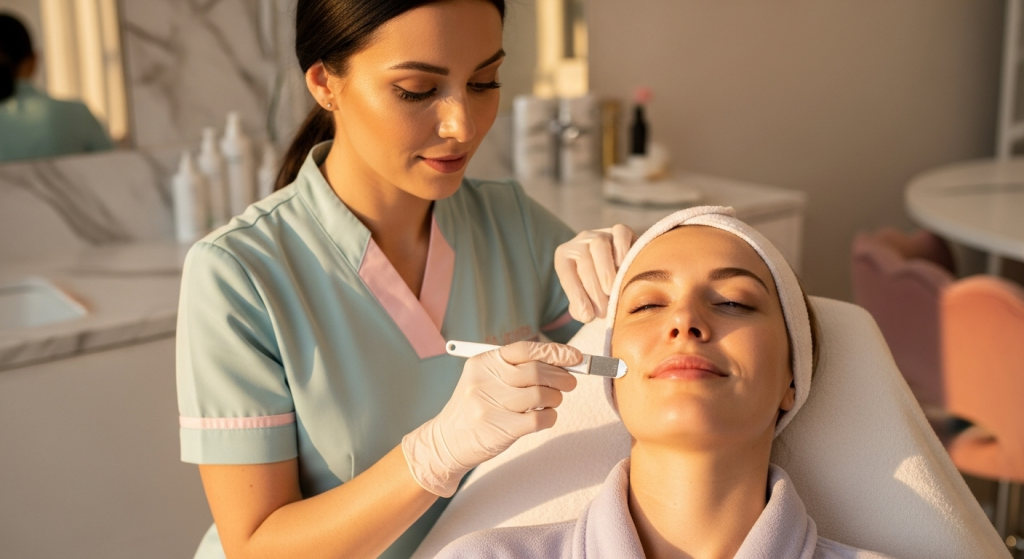
Dermaplaning is a cosmetic procedure that uses a sterile, straight-edged surgical blade to gently remove dead skin cells and peach fuzz (vellus hair) from the face. The result is a smoother, brighter complexion.
The treatment typically lasts 20-30 minutes and is performed by a skincare professional. During the service, the blade is held at a 45-degree angle and moved lightly across skin in small, upward strokes.
Key Benefits of Dermaplaning
– Immediate softness and smoothness
– Improved absorption of serums and moisturizers
– Enhanced makeup application (foundation glides on easily)
– Visible reduction in dullness
– Gentle exfoliation without chemicals or abrasive particles
Risks and Suitability for Sensitive Skin
Although dermaplaning is considered a gentle exfoliation technique, it can sometimes cause minor nicks, redness, or flaking—especially if the provider isn’t skilled, or if your skin type is prone to overreacting. However, performed properly, dermaplaning is often better tolerated than other exfoliation methods for those with sensitive skin.
Post-treatment, it’s normal to experience mild redness, which usually subsides within a few hours. Infection and scarring are rare when the procedure is done under sterile conditions.
What Is Facial Waxing? Types, Process, Pros and Cons
Now let’s look at facial waxing, the other contender in the dermaplaning vs waxing decision.
Types of Wax Used for the Face
Facial waxing can be done with:
– Soft wax (applied with a spatula, removed with a strip)
– Hard wax (melts and hardens on the skin, pulled off without a strip)
– Sugar wax (a blend of sugar, lemon, and water, gently tugs hair)
Each type is suitable for different pain thresholds and sensitivities.
The Waxing Process
Wax is applied to the area of unwanted hair. Once it adheres, it’s rapidly pulled off, removing hair from the root as well as the very top layer of the skin.
Common facial waxing areas include the upper lip, chin, cheeks, jawline, and brows. Full-face waxing is also popular for achieving a smooth, fuzz-free look.
Advantages of Facial Waxing
– Removes hair from the root, leading to longer-lasting smoothness (3-6 weeks)
– Hair grows back finer and softer over time
– Quick and efficient for most skin types
– Can be more affordable than some high-end treatments
Downsides for Sensitive Skin
Waxing involves both heat and mechanical pulling, which can disturb sensitive barriers. This often leads to:
– Redness and tenderness lasting up to 48 hours
– Potential for small bumps, ingrown hairs, or folliculitis
– Allergic reactions to wax ingredients or resins
– Risk of skin lifting, especially on thin or irritated skin
Sensitive areas, such as the upper lip and chin, are particularly vulnerable. If you’re dealing with eczema, rosacea, or active acne, waxing may not be your skin’s best friend.
Dermaplaning vs Waxing: Which Is Safer for Sensitive Skin?
When it comes to dermaplaning vs waxing, the difference lies in how each method treats the skin’s delicate outer layer and underlying follicles.
How Each Method Impacts Sensitive Skin
– Dermaplaning: Removes the uppermost layer of dead skin cells and peach fuzz without pulling or heat. Minimal trauma when performed by a professional.
– Waxing: Rips hair—and a part of your skin’s barrier—out from the follicle. Heat and resins can cause inflammation, irritation, or even chemical burns.
Most sensitive skin types find dermaplaning to be less invasive, especially for routine facial hair removal. The controlled motion and lack of chemicals make it gentler overall.
Who Should Choose Dermaplaning?
If you struggle with redness, dehydration, or irritation, dermaplaning may be a better choice in the dermaplaning vs waxing lineup. It’s an ideal option for women looking for:
– Gentle exfoliation with hair removal
– Immediate “glass skin” effect
– Minimal downtime (little to no recovery time)
– Compatibility with ongoing skincare routines
However, dermaplaning isn’t suitable for active acne, open wounds, or severe rosacea.
Who Should Choose Waxing?
Waxing can still be a good fit for those who:
– Prefer less frequent sessions (hair regrowth takes 3-6 weeks)
– Have resilient skin or experience minimal reactions
– Want to remove coarser facial hair in larger patches
– Seek quick results for special occasions
If you choose waxing, select a salon that uses hypoallergenic waxes, and avoid retinoids or alpha hydroxy acids before your appointment.
Expert Advice on Choosing the Right Method: Insights from Bronze Salon
Professional guidance is a must when it comes to dermaplaning vs waxing, especially for women with sensitive skin. At Bronze Salon—a leading beauty destination in Dubai—skilled therapists assess your skin type and concerns before recommending the ideal treatment plan.
Why Professional Assessment Matters
DIY treatments can be tempting, but they often lead to irritation, improper technique, or unsanitary tools. Expert estheticians at trusted salons know how to:
– Evaluate your skin’s current state and medical history
– Adjust treatment techniques and products to minimize irritation
– Ensure all tools are sterilized between clients
– Apply soothing aftercare tailored to sensitive complexions
This level of care helps reduce the chances of flare-ups and enhances the results. For inquiries about sensitive-skin services, contact Bronze Salon for a personalized consultation.
Treatments and Additional Services for Sensitive Clients
In addition to dermaplaning and waxing, many clients at Bronze Salon enjoy:
– Tailored Skincare Services for restoring the natural barrier
– Ultra-gentle Waxing Services with botanical ingredients
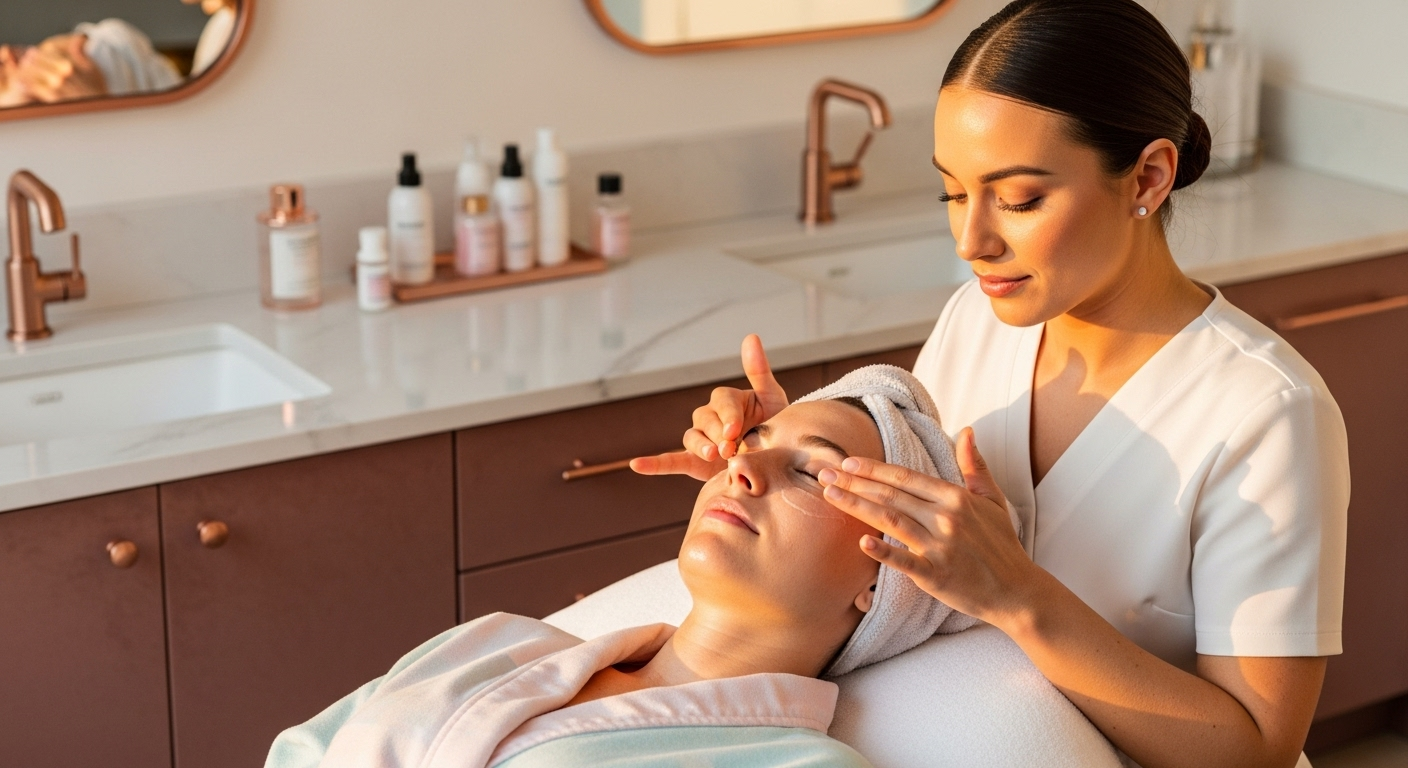
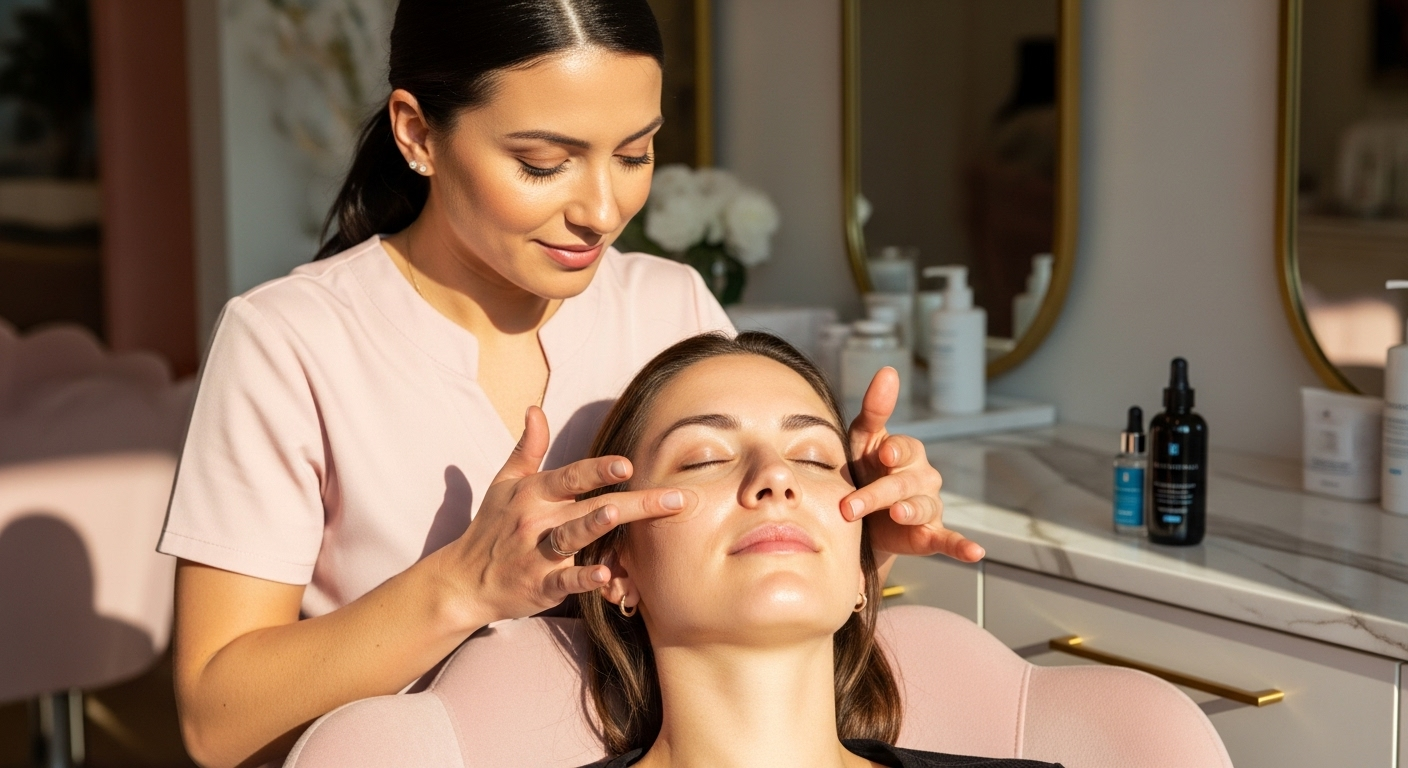
– Relaxing facial massages to reduce inflammation
– Skin rejuvenation treatments for even tone and texture
Sensitive-skin clients can also explore the salon’s blog for expert advice, skincare tips, and the latest trends.
How to Prepare for Dermaplaning or Waxing with Sensitive Skin
The outcome of dermaplaning vs waxing relies not just on the method, but on how you prep your skin beforehand.
Pre-Treatment Guidelines
– Cleanse your face thoroughly, removing all makeup and oils
– Avoid using retinol, glycolic acid, or other strong exfoliants 48 hours before treatment
– Inform your technician of any allergies or recent skin reactions
– Do a patch test if it’s your first time with a new product or procedure
– Moisturize well in the days leading up to your appointment
Never schedule either treatment when your skin is sunburnt or actively inflamed.
Aftercare Tips for Sensitive Skin
After either dermaplaning or waxing, sensitive skin will need some TLC:
– Use a cool, damp cloth to ease redness
– Apply a fragrance-free, hydrating gel or cream
– Avoid direct sun exposure and always apply SPF 30+
– Skip retinoids and acids for at least 48 hours
– Don’t touch, scratch, or exfoliate the treated area
These simple habits will help you enjoy your smooth, radiant skin with minimal downtime.
Dermaplaning vs Waxing Results: What to Expect
Understanding what to expect from the results of dermaplaning vs waxing can help guide your choice and ensure satisfaction.
Dermaplaning Results
– “Glass skin” look: skin appears luminous and fresh
– Smoother makeup application and better absorption of skincare
– Results last about 2-4 weeks; the peach fuzz returns at the same rate and texture
– Absolutely no stubble or dark regrowth (myth-busting: facial hair does not grow back thicker)
For best results, repeat dermaplaning every 3-4 weeks as part of your skincare maintenance routine.
Waxing Results
– Very smooth skin with no visible peach fuzz
– Results last up to 6 weeks, as hair is removed from the follicle
– Possible redness or bumps post-treatment
– Hair regrows softer over time with regular waxing
– Greater risk of ingrown hairs, especially on sensitive or acne-prone skin
The frequency of treatments will depend on individual hair growth and preferred level of smoothness.
Comparing the Cost and Maintenance: Dermaplaning vs Waxing
Budget is always a factor when considering dermaplaning vs waxing for your regular beauty routine.
Typical Cost Comparison
– Dermaplaning: Higher upfront cost per session, often performed monthly
– Waxing: Lower single-session cost, but may need touch-ups or separate brow/lip appointments
That said, the improved radiance and minimal downtime of dermaplaning appeal to those with active social or professional schedules.
Maintenance and Add-On Services
Both treatments can be combined with other luxury services for a full pampering experience. Bronze Salon offers a variety of options:
– Nails Services for elegant hands and feet
– Hair Styling Services to complement your fresh face
– Eyebrows & Lashes Services for the perfect frame
– Bath & Massage Services to relax skin and body
Safety Checklist for Sensitive Skin at Salons
Feeling confident about your dermaplaning vs waxing choice means knowing your chosen salon adheres to strict safety and hygiene standards.
– Are tools and blades sterilized between each client?
– Is the wax fresh, and applied with disposable spatulas?
– Does your technician wear gloves and follow best hygiene practices?
– Are aftercare instructions clearly explained?
– Is the environment clean, calm, and welcoming to sensitive clients?
At Bronze Salon, with over 10 years of expertise, your care and comfort are always the top priority—from your first visit to every future appointment.
Key Takeaways: Which Treatment Wins for Sensitive Skin?
When weighing dermaplaning vs waxing, sensitive skin usually fares better with dermaplaning, thanks to its controlled exfoliation and minimal trauma. However, every complexion is unique. By consulting the professionals at Bronze Salon, you’ll receive a customized approach that prioritizes your beauty, comfort, and confidence.
Ready to discover your healthiest, most radiant skin yet? Trust Dubai’s premier beauty experts to guide your dermaplaning vs waxing journey. Pamper yourself—book an appointment today and let your natural beauty shine.