Are you struggling with persistent dryness, redness, or irritation despite your best skincare efforts? If so, you’re not alone. The demands of modern life, frequent masking, environmental stress, and harsh weather can all wreak havoc on your skin’s delicate moisture barrier. That’s where barrier repair creams come in—these advanced creams are formulated to shield, restore, and soothe even the most sensitive, compromised skin. Whether your complexion is tight after cleansing, stressed from aggressive treatments, or showing signs of sensitivity, choosing the right barrier repair cream can be a game-changer. Read on to discover nine of the very best barrier repair creams, practical expert tips for their use, and how you can achieve long-lasting comfort and glow every day.
Understanding Barrier Repair Creams: What Makes Them Essential?
Barrier repair creams are specifically designed to fortify and heal your skin’s protective barrier. This barrier—composed mainly of lipids (fats), ceramides, cholesterol, and fatty acids—acts as your skin’s frontline defense against environmental aggressors, moisture loss, and irritation.
When the barrier is compromised by over-exfoliation, harsh cleansers, or exposure to pollutants and dry air, you may notice:
– Redness or inflammation
– Persistent dryness and flakiness
– Tightness and discomfort
– Increased sensitivity or breakouts
Barrier repair creams replenish essential lipids, soothe irritation, and trap moisture inside the skin. The result? Skin that feels softer, less sensitive, and more resilient to everyday stress.
What to Look for in Barrier Repair Creams
The best barrier repair creams combine science-backed ingredients with a gentle, nourishing formula. Key elements to seek include:
– Ceramides: Help restore natural skin structure.
– Fatty acids and cholesterol: Rebuild lost lipids for softness and strength.
– Hyaluronic acid or glycerin: Draw intense hydration into the skin.
– Anti-inflammatory agents: Calm irritation and redness.
– Free of harsh perfumes or alcohol: Reduce risk of further irritation.
When to Use a Barrier Repair Cream
Consider reaching for a barrier repair cream if:
– You’ve just had a waxing or dermatological procedure.
– Your skin feels tight after washing or cleansing.
– You notice peeling or stinging from active skincare ingredients.
– You live in a dry, windy, or polluted environment (hello, Dubai summers!).
– Your skin has become sensitive due to aging, illness, or stress.
Barrier repair creams can be applied day or night, depending on your routine and needs.
Top 9 Barrier Repair Creams for Stressed, Sensitive Skin
Navigating the world of barrier repair creams can be overwhelming. Here are nine leading options, with insight into why each delivers transformative results. These solutions cater to a range of preferences and skin concerns, taking into account the climate and modern beauty needs.
1. Ceramide-rich Moisturizers
– Powerhouse for rebuilding the skin’s barrier.
– Ideal for deeply dehydrated, post-procedure, or mature skin.
– Often fragrance-free and hypoallergenic.
Recommended For:
– Clients recovering from intensive waxing services.
– Those with dry, sensitive, or eczema-prone complexions.
2. Lightweight Gel-Creams with Hyaluronic Acid
– Fast absorption makes these perfect for hot, humid environments.
– Provide immediate soothing and intense hydration.
– Non-comedogenic formulas won’t clog pores.
3. Ointment-based Barrier Repair Creams
– Superb for tackling extreme dryness and visible cracks.
– Occlusive formulas lock in moisture and prevent transepidermal water loss.
– Excellent overnight treatment for hands, heels, and face.
4. Peptide-Infused Barrier Creams
– Help stimulate the skin’s natural repair mechanisms.
– Work well on aging or thinning skin by boosting firmness.
– Soften signs of stress and restore vitality.
5. Antioxidant-Enriched Creams
– Shield skin from free radical damage caused by UV, pollution, and stress.
– Soothe inflammation and redness.
– Great choice for urban dwellers frequently exposed to pollutants.
How Barrier Repair Creams Fit Into Your Routine
Knowing how and when to use your barrier repair cream is crucial for maximum benefit. Placement in your routine and attention to application technique make all the difference.
Cleansing and Prep
– Always start with a gentle, hydrating cleanser—never one that leaves your face feeling “squeaky clean.”
– Pat, don’t rub, your skin dry to avoid micro-tears or irritation.
Immediate Moisture Lock-in
– Apply your barrier repair cream within three minutes of cleansing to seal in surface moisture.
– Spreading a thin layer all over face and neck focuses healing where you need it most.
Pair with Targeted Treatments
– If using actives (such as retinol or acids), apply your repair cream after these products to buffer potential irritation.
– For extra nourishment, layer a barrier repair cream on top of any lightweight serums or essences.
Morning and Night Use
– Day: Choose a lighter, non-greasy formula that sits well under sunscreen and makeup.
– Night: Opt for a richer, more occlusive repair cream to let your skin heal while you sleep.
Barrier Repair Creams: Ingredients to Embrace and Avoid
Understanding labels makes shopping for barrier repair creams easier—and ensures your sensitive skin stays happy.
Ingredients That Support Recovery
– Ceramides: Restore the “brick and mortar” structure of the skin.
– Panthenol (Pro-vitamin B5): Accelerates regeneration and calms redness.
– Squalane: Deeply moisturizes without heaviness, mimicking natural oils.
– Niacinamide: Balances oil, soothes inflammation, strengthens resilience.
– Colloidal oatmeal: Relieves itching and irritation.
Ingredients to Avoid in Sensitive or Compromised Skin
– Added fragrance or essential oils (can further irritate).
– Harsh alcohols or detergents (cause dry, tight feeling).
– Strong acids or exfoliants (when barrier is already weakened).
Tips and Tricks for Maximizing Your Barrier Repair Cream Results
Every skin is unique, but these simple steps can help everyone get the most from their favorite barrier repair creams.
Layer for Your Environment
– In air-conditioned or polluted spaces, layering a barrier repair cream under sunscreen forms a shield against harsh elements.
– For extra-dry conditions, consider sandwiching it between a humectant serum (like hyaluronic acid) and a gentle facial oil.
Apply to Trouble Spots
– Don’t neglect the lips, eyelids, or around the nose—areas that often show signs of barrier breakdown first.
– Barrier repair creams can act as a spot treatment for chafing, post-wax redness, or irritation following facials at skincare services.
Adjust Based on Your Skin’s Needs
– Use a richer formula during travel, illness, or times of high stress.
– Consider a lighter cream in humid weather, or if prone to breakouts.
Keep It Fresh and Effective
– Store your cream away from direct sunlight and extreme heat, which can degrade sensitive ingredients.
– Pay attention to expiration dates and avoid using old products on compromised skin.
Self-Care Beyond Cream: Salon Treatments for Barrier Recovery
Barrier recovery goes beyond your at-home regimen. Professional salon services can amplify your results, accelerate healing, and provide essential relaxation.
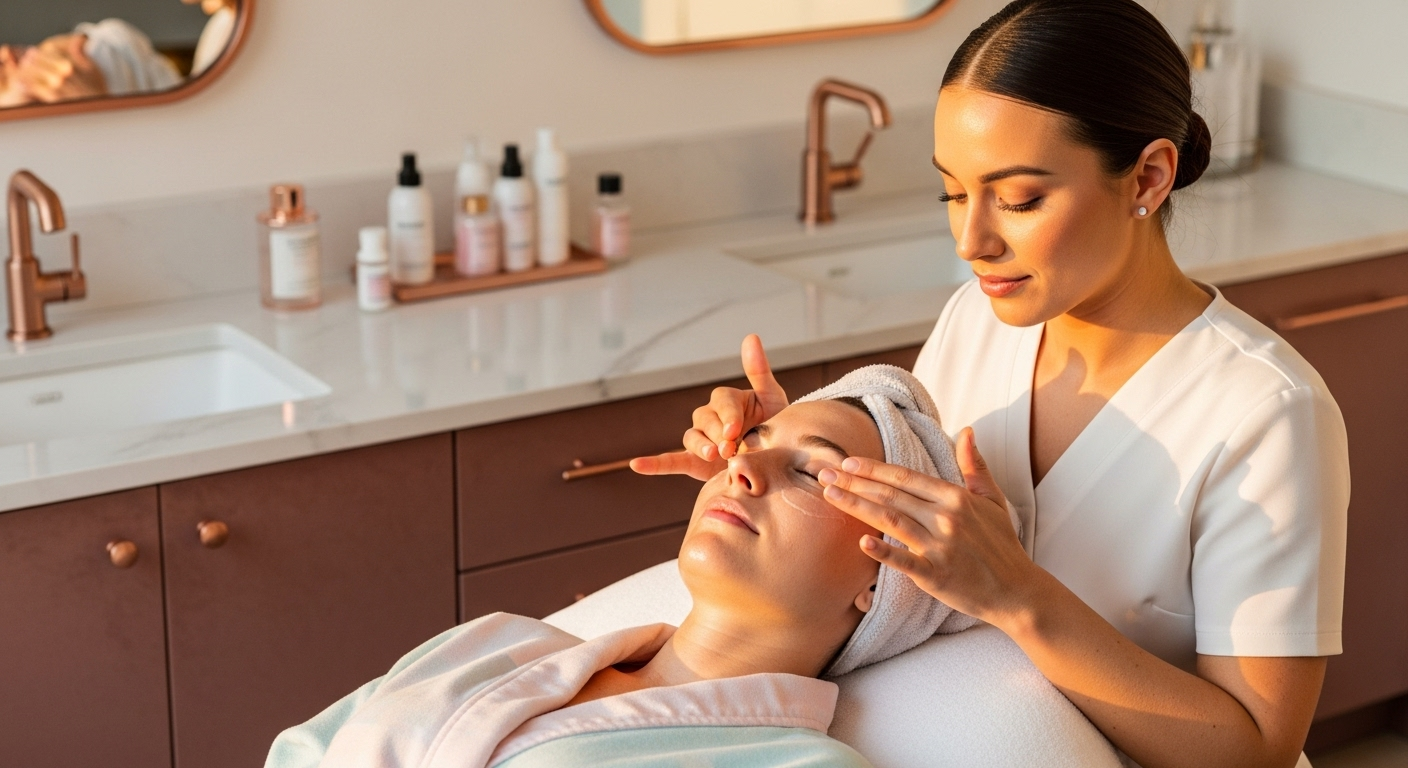
Hydration-Boosting Facials
Deeply hydrating facials are specially designed to re-balance the skin, soothe post-procedural sensitivity, and deliver a much-needed boost to your moisture barrier. Explore advanced nails services with targeted hand and cuticle care, or comprehensive hair styling services that avoid over-drying cleansers.
Brows, Lashes, and Pampering for Sensitive Skin
Professional eyebrows & lashes services are done using gentle, skin-friendly products, helping to minimize trauma around sensitive facial areas. For all-over comfort, restorative bath & massage services melt away stress—supporting your skin and your mood.
These treatments complement your home care products flawlessly, ensuring faster recovery and long-term comfort.
Choosing the Right Barrier Repair Cream For You: Practical FAQs
How do I know if my skin barrier is compromised?
Clues include persistent redness, stinging, flaky patches, and sudden sensitivity to known products. Skin feels tight, itchy, or looks dull, regardless of moisturizer.
Are barrier repair creams safe for acne-prone skin?
Many are. Look for lightweight, non-comedogenic versions—often gel-cream or water-based. Avoid heavy oils or butters if you’re prone to breakouts.
Can I use barrier repair creams after waxing?
Yes—gentle, fragrance-free barrier repair creams are ideal post-waxing to prevent redness, soothe irritation, and restore comfort. If you’re planning a waxing session, let your esthetician know about any sensitivities beforehand for a tailored experience—discover gentle options at waxing services.
How often should I apply a barrier repair cream?
Apply at least twice daily—after cleansing in the morning, and again at night. Add a third application if your skin needs extra support or before/after exposure to harsh elements.
Barrier Repair Creams and the Bronze Salon Experience
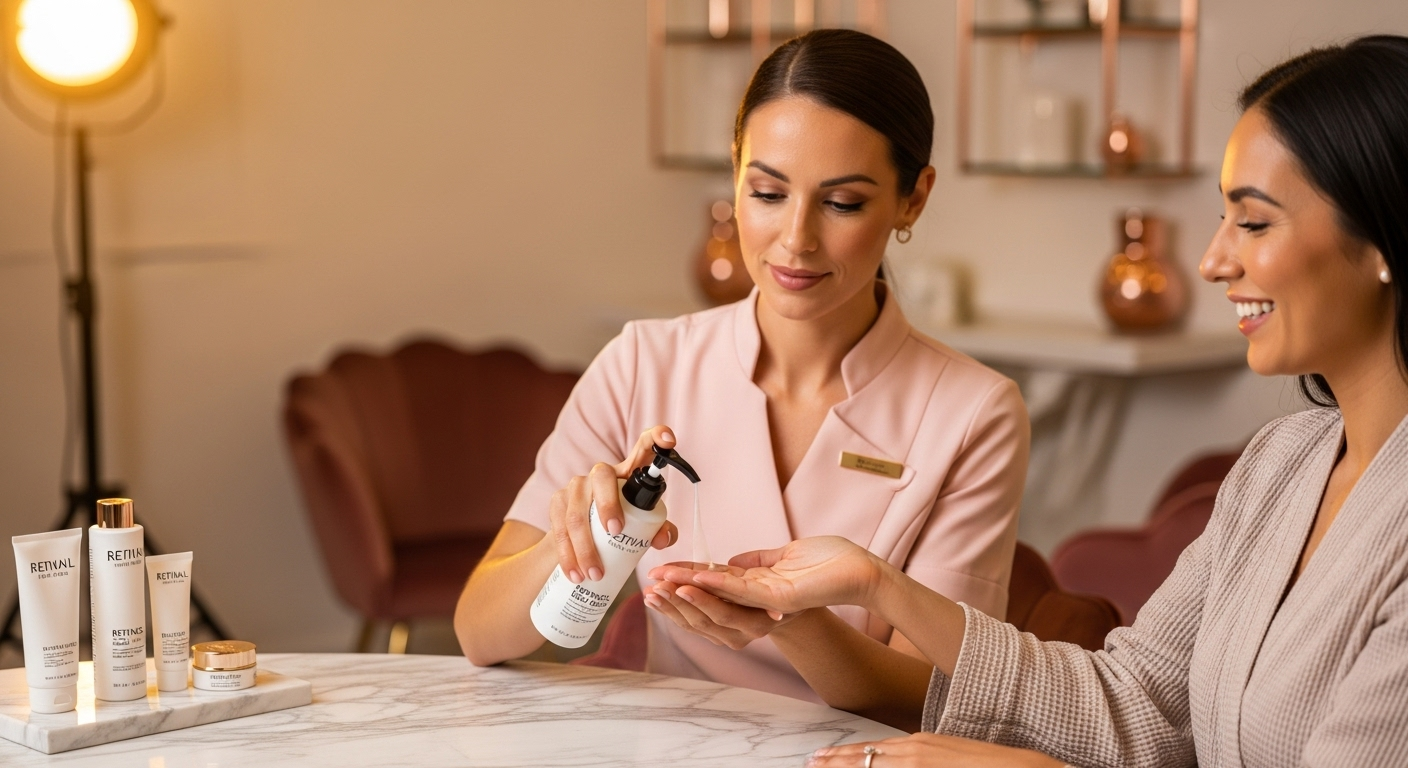
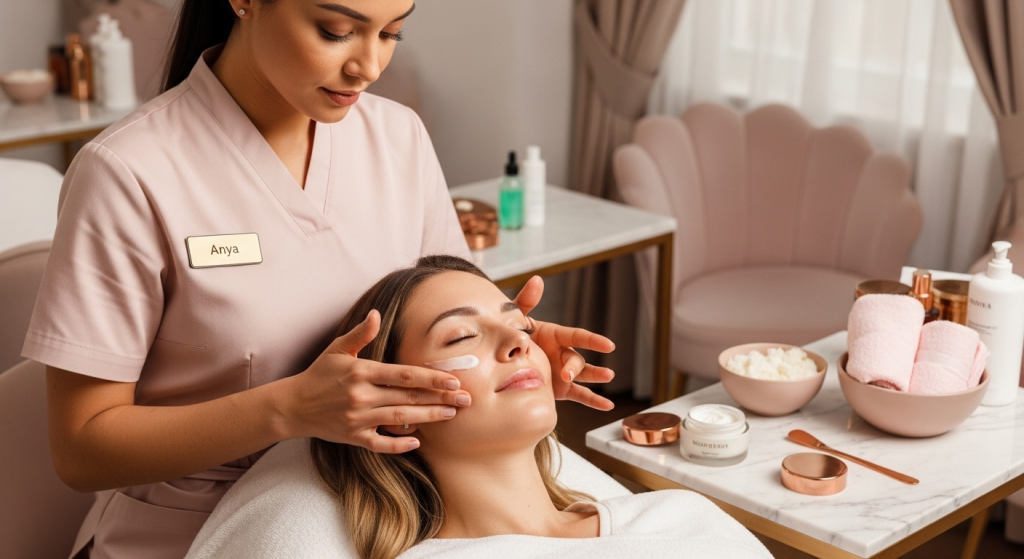
At Bronze Salon, barrier health is a top priority. Professional therapists draw on years of international expertise to integrate barrier-supportive products into each facial or spa service, ensuring gentleness, care, and visible results.
– Every skin type can benefit from a flux of hydration—especially after procedures such as hair removal, laser, or intense facial peels.
– Customer comfort is at the heart of every treatment, creating a sanctuary of healing and refinement.
Looking to learn more about skin barrier protection, beauty tips, or holistic routines? Dive into our latest insights on the blog.
For a full menu of custom facials and stress-soothing rituals, check out skincare services and bath & massage services. Each session can be tailored for sensitivity, post-procedure care, or deep hydration.
Ready to reveal calmer, stronger, healthier skin? Book an appointment with our expert team today—or contact Bronze Salon to discuss your skin’s unique needs. Experience the luxury of expert care and the power of the right barrier repair cream. Glow with confidence, from the inside out!