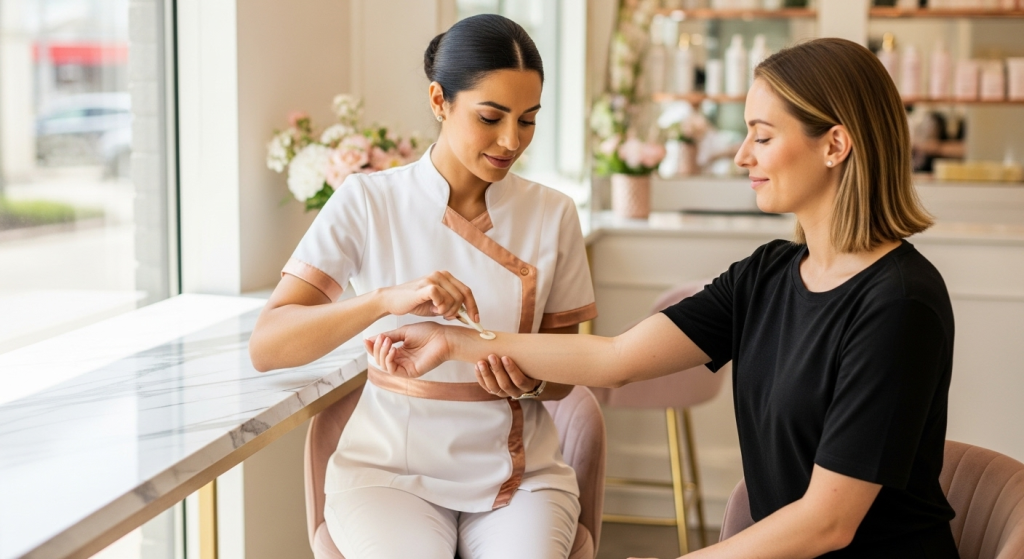
Do you know what can transform a pampering beauty ritual into a stressful experience? An unexpected skin reaction. That’s why the phrase “Patch Test for Beauty Products” should always be on your checklist before trying out any new skincare, spa service, or cosmetic item. Skipping this simple step can lead to redness, swelling, itching, or even more severe reactions—sometimes after just one use. Whether you’re switching facial creams, trying a new waxing product, or indulging in luxurious spa treatments at a professional salon, understanding the necessity of a patch test for beauty products is essential. In today’s beauty market, where offerings range from organic ingredients to high-tech formulations, your skin’s unique needs are the top priority. Let’s uncover how a patch test can save your skin, your time, and your confidence, helping you enjoy every beauty experience worry-free.
What Is a Patch Test for Beauty Products?
When you hear the phrase “patch test for beauty products,” it refers to the practice of applying a small amount of a cosmetic item to a discreet area of the skin to check for allergic or irritation responses. This basic safety protocol can be the difference between enjoying a radiant glow or having to manage an unexpected breakout.
How a Patch Test Works
– Choose a small area of skin, often on the inner forearm, behind the ear, or on the wrist.
– Apply a pea-sized amount of the new beauty product.
– Leave it on for at least 24 hours. For products that remain on your skin (like lotions or creams), do not wash the area during this period.
– Observe for any reactions such as redness, itching, swelling, blistering, or discomfort.
If after 24-48 hours no negative reaction occurs, the product is likely safe for use. However, if any irritation appears, discontinue the product immediately.
Types of Products Requiring Patch Tests
– Skincare products (cleansers, moisturizers, serums, masks)
– Hair dyes and bleaches
– Wax and hair removal creams
– Makeup (foundations, concealers, eye products)
– Fragrances and perfumes
– Nail polishes and gel systems
Even gentle or “hypoallergenic” products can cause sensitivity for some. Whether trying a new skincare service or updating your beauty routine at home, patch tests for beauty products are the first step toward safety.
Why You Should Always Do a Patch Test for Beauty Products
The patch test for beauty products isn’t just a precaution; it’s an essential safeguard for your skin and your overall health.
Preventing Allergic Reactions
Beauty products combine multiple ingredients—preservatives, fragrances, botanical extracts, dyes—that may trigger allergies. Common reactions include:
– Redness or rash
– Swelling
– Hives
– Burning or itching
Some individuals develop reactions even after years of problem-free use, especially with changes in skin condition or hormonal fluctuations.
Guarding Against Irritation
Even non-allergic individuals can experience irritation from active ingredients like retinol, alpha hydroxy acids, or strong fragrances. Signs of irritation:
– Dry, flaky skin
– Sensitivity to touch
– Tingling or burning
Patch tests for beauty products help identify such irritants before they impact larger, more visible areas.
Avoiding Disruption to Skin Barrier
Many modern beauty products contain powerful actives designed to transform your skin. However, using the wrong combination can disrupt your skin barrier, leading to longer-term issues like chronic sensitivity, dryness, or breakouts. Patch tests help you avoid these pitfalls by ensuring compatibility.
Peace of Mind for Every Beauty Experience
Knowing you’ve performed a patch test before trying something new allows you to truly relax, whether you’re enjoying a treatment at a top-tier destination like Bronze Salon or experimenting at home. Take the guesswork out of your beauty routine and enjoy radiant, confident results.
How to Perform a Proper Patch Test for Beauty Products
A consistent method is crucial in ensuring the patch test for beauty products protects your skin effectively.
Step 1: Select the Test Area
The inner forearm is most commonly used because it’s discreet, has similar sensitivity to facial skin, and won’t interfere with your daily activities. Behind the ear is another good option, especially for facial or hair products.
Step 2: Apply the Product
– Clean the test area with mild soap and water. Pat dry.
– Place a small, thin layer (about a pea-sized amount) of the product onto the test site.
– For beauty treatments received in a professional setting (like a new wax or facial formula at waxing services), ask your esthetician to patch test a sample before full application.
Step 3: Monitor for 24-48 Hours
Most reactions surface within a day, but some delayed sensitivities may take up to 48 hours to appear. Observe for:
– Redness
– Bumps or hives
– Swelling
– Blistering
– Burning or itching
If your skin remains calm and unchanged, the product is generally safe to use.
Step 4: Take Action if There Is a Reaction
At the first sign of irritation, gently rinse the area with cool water and stop using the product. For severe or persistent symptoms, consult a skincare specialist or medical professional.
Additional Tips for Specific Beauty Categories
– For hair dye and bleach: Always patch test 48 hours prior to use to prevent severe allergic reactions.
– For facial treatments or spa applications: Ensure therapists know about your skin sensitivities or allergies during your visit.
– For nail and gel systems: Ask your technician for a patch test for new products, especially if you’ve ever had nail or skin sensitivities.
Common Myths About Patch Testing
Despite the clear benefits of a patch test for beauty products, several misconceptions prevent people from including this step.
Myth 1: “Natural Products Don’t Need Patch Tests”
Many believe that “organic” or “natural” equals hypoallergenic, but plant-based ingredients can be powerful allergens. Essential oils, botanical extracts, and herbal blends may cause reactions even if you’re not sensitive to synthetic chemicals.
Myth 2: “I’ve Used Similar Products Before”
Every formulation is unique. Even the same ingredient in two products can differ based on concentration or additional components. Skin changes over time, and past tolerance is no guarantee of future compatibility.
Myth 3: “If I Didn’t React Immediately, I’m Safe”
Some reactions are delayed. Patch tests for beauty products should be observed over 24-48 hours to capture all possible sensitivities.
Myth 4: “Patch Tests Aren’t Necessary for Salon Treatments”
Professional-grade products, such as those used during bath & massage services or hair styling, can sometimes contain potent actives or fragrances. A reputable salon should always prioritize a patch test, especially for first-time clients or new treatments.
The Patch Test for Beauty Products: Essential for Salon and Spa Visits
Your skin deserves personalized attention—especially at premier destinations like Bronze Salon. Whether you’re investing in advanced facial care, signature massages, or expert waxing, a patch test for beauty products is vital for both your safety and satisfaction.
Salon Benefits of Patch Testing
– Protects clients from discomfort or unsightly reactions.
– Builds trust and credibility between the salon and clientele.
– Allows professionals to tailor treatments for your specific needs.
– Ensures that subsequent appointments run smoothly, with no negative skin surprises.
Luxury wellness centers should always offer or recommend a patch test, particularly for services with highly active or unfamiliar ingredients.
How to Request a Patch Test at Your Local Salon
– When booking a new service such as nails, eyebrows & lashes, or anti-aging facials, mention any previous reactions and ask for a patch test.
– Arrive a few days before your main appointment for the test. This small time investment ensures your main treatment is carefree and enjoyable.
– Top-tier salons like Bronze Salon staff skilled, empathetic professionals who understand the value of client comfort and safety. If you’re new to any service, they’ll be happy to walk you through their patch test process.
For those seeking even more tips on spa safety or at-home pampering, explore the helpful articles found in the salon’s blog.
Patch Tests and Different Beauty Treatments
Knowing when and how to patch test for beauty products can vary depending on the type of service or product.
Waxing and Hair Removal
Waxing reveals smooth, radiant skin but carries a risk of irritation, especially on delicate areas. Whether using wax at home or booking professional waxing services, always request a patch test 24-48 hours before your appointment, particularly if you have sensitive skin or are trying a new wax type.
Facials, Peels, and Skincare
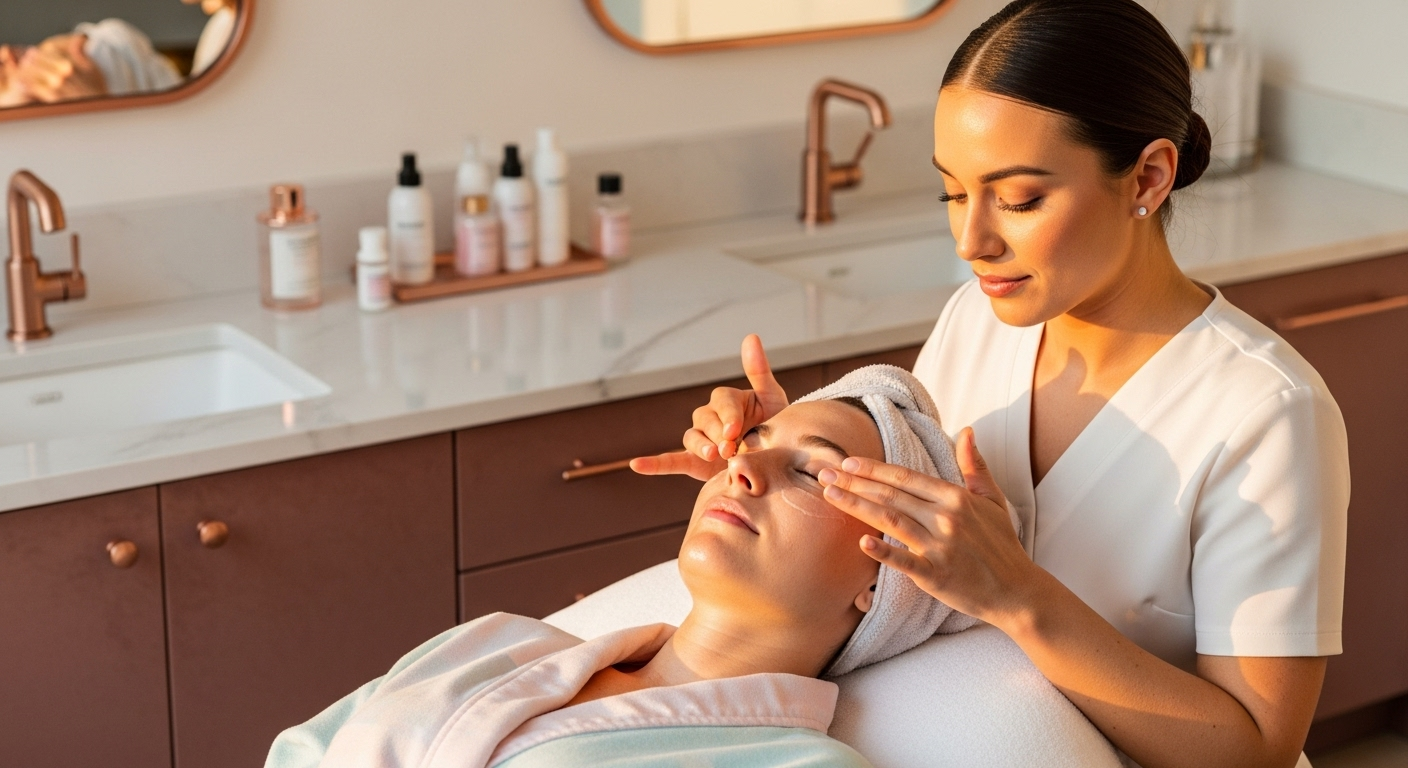
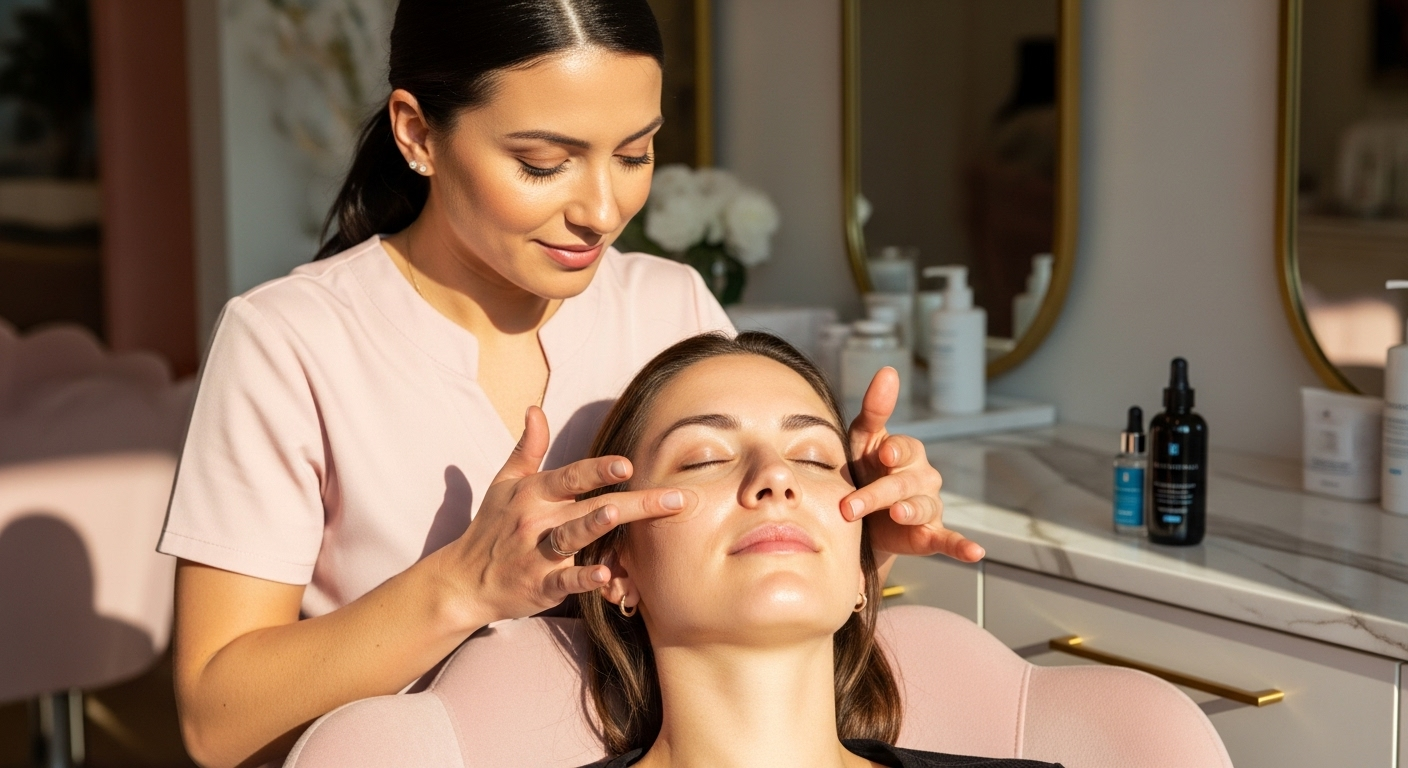
Professional skincare services often use potent ingredients like acids, enzymes, and retinol. Patch testing ensures your skin can handle a targeted treatment without negative effects.
Nails and Gel Systems
Reactions to nail treatments are common, especially with certain adhesives or gel polishes. For new-applied nail services, ask the technician to test a small area before opting for a full manicure or pedicure.
Eyebrows, Lashes, and Hair Styling
Dyes used in brow/lash tinting and hair coloring are known allergens. Don’t hesitate to request a patch test before any new eyebrows & lashes or hair styling services.
Bath, Hammam, and Massage Oils
Essential oils and herbal preparations used in bath & massage treatments can cause skin reactions. Patch testing helps prevent irritation and ensures your experience is purely relaxing.
Frequently Asked Questions About Patch Test for Beauty Products
How often should I patch test?
Whenever you use a new product or receive a new beauty service, always patch test. Also retest if the formula changes or if your skin condition (such as sensitivity due to weather or health changes) fluctuates.
Is it necessary for every single product?
Prioritize patch testing for treatments with active ingredients, acids, fragrances, dyes, or those you haven’t previously tolerated. If you have known allergies or very sensitive skin, extend patch testing to all new items.
Can I skip patch testing if I’m at a professional salon?
No. Even at a highly rated establishment like Bronze Salon, each client’s skin is unique. Always alert your technician to sensitivities, and ask for a patch test, especially with new or strong formulas.
What should I do if I have a reaction?
Wash the area gently, discontinue use, and consult a skincare professional if symptoms persist or worsen. If you experienced your reaction at a salon, inform your technician immediately.
Who can help if I have more questions?
If you’re looking for customized advice or need to discuss your skin’s needs, reach out via the Contact Bronze Salon page, or book a consultation with one of their expert therapists.
Your Skin, Your Confidence: Make Patch Testing a Non-Negotiable Habit
It’s tempting to skip the patch test for beauty products in the excitement of trying something new—but your skin’s health comes first. Patch tests protect you from discomfort, build confidence in your routine, and allow you to enjoy beauty services with peace of mind. Whether experimenting with fresh serums at home or indulging in luxury treatments at a professional spa, always give your skin the attention it deserves.
Ready for a safer, more radiant beauty journey? Book an appointment for tailored, client-first care at Bronze Salon today and embrace every beauty experience with absolute confidence!