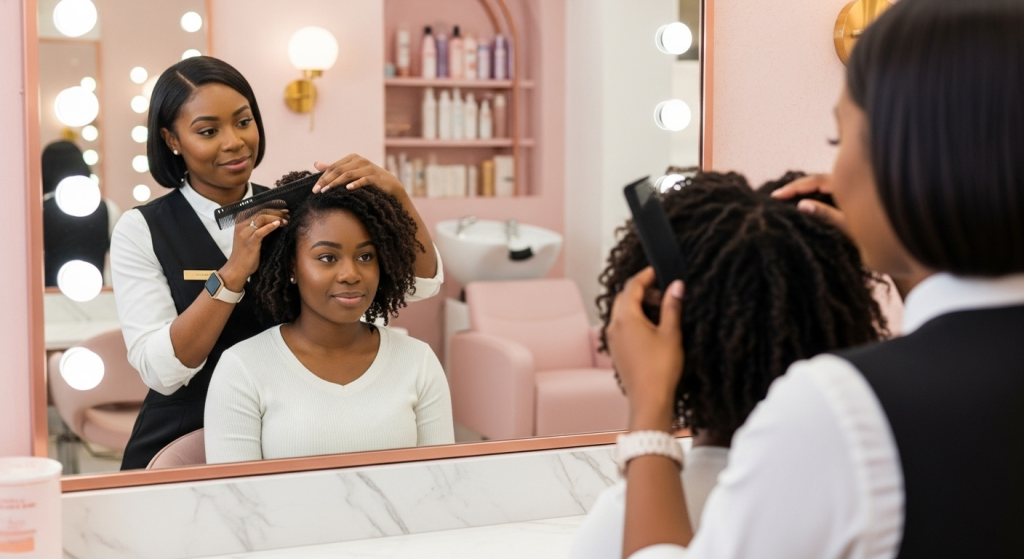
The phrase “Traction Alopecia and Black Women” is being spoken about more than ever—but its true impacts are far deeper than many realize. For countless Black women, hair is a powerful emblem of culture, creativity, and self-confidence. When beloved styles lead to thinning edges, bald patches, and distress, the effects often extend well beyond appearance. Traction alopecia doesn’t just take hair; it can gradually erode self-esteem, social comfort, and even day-to-day lifestyle choices. If you’re grappling with hairline changes or fighting to retain your hair’s health, you’re not alone. There are answers, solutions, and support. Understanding the hidden costs—and making empowered choices—can help every woman restore their unique beauty, pride, and sense of self.
Understanding Traction Alopecia and Black Women: What Is It, and Why Does It Happen?
Traction alopecia refers to gradual hair loss caused by constant tension on the hair and scalp. This form of alopecia is typically triggered by certain hairstyles or grooming habits that repeatedly pull on hair follicles. Over time, this continuous stress weakens the roots and can cause irreversible damage, especially along the hairline, temples, and parts.
For Black women, hairstyles like braids, cornrows, weaves, tight ponytails, and extensions are celebrated not just as fashion statements, but as cherished expressions of identity and heritage. However, these same styles—if done too tightly, or worn for extended periods without giving hair a break—can create the perfect storm for traction alopecia.
Key factors contributing to traction alopecia in Black women include:
– Repeatedly wearing tight styles, such as micro-braids, high ponytails, or glued weaves.
– Excessive use of heat or chemical relaxers, weakening the scalp and follicles.
– Not allowing hair enough time to recover between styles.
– Using rubber bands, elastics, or hair accessories that tug on fragile areas.
Understanding these risks is critical; with awareness, choices regarding haircare and styling can be adjusted to prevent or reverse the earliest signs of damage.
The Emotional and Social Costs of Traction Alopecia for Black Women
When thinking about traction alopecia and Black women, it’s important to acknowledge that lost hair doesn’t just affect physical appearance—it can deeply influence emotional wellbeing, confidence, and sense of self.
Impact on Self-Esteem and Self-Image
Hair is an intimate aspect of identity for many Black women. Losing it—especially in a culture where healthy, elaborate hairstyles are deeply valued—can feel like losing a piece of oneself. Women often experience anxiety about their appearance, avoid social gatherings, or withdraw from activities they once enjoyed. The growing need to hide thinning edges, wear wigs constantly, or avoid certain hairstyles can foster shame, embarrassment, and a sense of isolation.
Social Pressures and Cultural Expectations
Black women often face unique pressures to look polished and “put together,” especially in professional settings. There’s frequent scrutiny of their hairstyles in the workplace, media, and even within their own communities. Traction alopecia can bring unwanted attention or judgment, leading some women to spend large amounts of money and time on coverage solutions, such as custom wigs or hairpieces. These repeated efforts can lead to exhaustion and financial strain, with underlying impacts on mental health.
Recognizing Early Warning Signs of Traction Alopecia
Catching traction alopecia early is key to preventing permanent hair loss. Black women should be especially vigilant about monitoring their scalp’s health and making proactive changes at the first sign of trouble.
Common Symptoms to Look Out For
– Small bumps or redness around the hairline or part.
– Thinning edges, particularly above the temples and along the forehead.
– Patches of broken, short hair.
– Scalp tenderness, itching, or a burning sensation after styling.
– Noticeable widening of your hair part, or thinning of braids.
Recognizing these signs promptly can mean the difference between temporary shedding and lasting damage.
Stages of Traction Alopecia
1. Early Stage: Mild discoloration, redness, and sporadic thinning—the hair often regrows if styles are changed.
2. Moderate Stage: More visible thinning, tiny bumps, or scaly patches may appear.
3. Advanced Stage: Smooth, shiny bald spots develop, indicating permanent follicle damage.
It’s essential to intervene as soon as the first warning signs arise. If you notice these changes, consider consulting a haircare professional or dermatologist.
Prevention and Practical Tips: Protecting Your Crown
Traction alopecia and Black women are linked, but the condition is preventable with a proactive haircare approach. Here are actionable steps to minimize the risk and nurture a healthy scalp.
Adopt Healthier Styling Practices
– Opt for looser hairstyles that don’t tug at the roots.
– Alternate between styles to reduce continuous pressure on the same areas.
– Avoid heavy or overly tight extensions and braids; let your stylist know if you feel any pain during installation.
– Limit the use of wigs with tight bands or glue, especially around the edges.
– Give your hair a “rest period” between protective styles—embrace natural textures when possible.
Choose the Right Salon Professionals
An experienced stylist understands the delicate balance between stylish and healthy. When searching for a beauty destination, select a salon whose team values hair integrity as much as aesthetics—a place like Bronze Salon, which brings together expertise from various cultures to celebrate and protect your unique beauty.
Daily and Weekly Haircare Musts
– Use a wide-toothed comb or your fingers to detangle gently.
– Wash your hair regularly with sulfate-free, moisturizing shampoos.
– Deep-condition at least every two weeks to restore moisture.
– Massage your scalp with lightweight oils to encourage blood flow and healthy growth.
– Avoid rubber bands and opt for silk or satin scarves to reduce nighttime friction.
The Long-Term Costs of Ignoring Traction Alopecia
Overlooking traction alopecia and Black women’s unique hair needs doesn’t just result in hair loss. The condition can quietly accumulate financial, psychological, and even career-related costs.
Hidden Financial Strain
Many women try to camouflage thinning or bald patches with expensive wigs, frequent salon visits, or specialty hairpieces. The recurring costs for these solutions—combined with product purchases claiming to “regrow” hair—quickly add up.
In severe cases, women may seek surgical interventions like hair transplants, which involve substantial financial investment and emotional risk.
Mental Health and Lifestyle Impacts
Dealing with traction alopecia can create cyclical stress, worsening other aspects of well-being. It can amplify anxiety, impact romantic relationships, or lead to missed opportunities for professional advancement or social activities. These ripple effects can be profound and lasting.
Empowerment Through Knowledge: Reclaiming Hair Health
Choosing to address traction alopecia starts with being informed. When women know their risks, share stories, and seek community support, transformation happens. Here are steps to empower yourself and redefine your hair journey:
Find a Supportive Professional Environment
Salons that truly understand traction alopecia and Black women’s hair needs don’t force one-size-fits-all solutions. They provide individualized guidance for scalp health, protective styling, and restorative treatments. Consider speaking with the consultants at Contact Bronze Salon for tailored advice.
Investing in Self-Discovery and Recovery
– Educate yourself through reputable resources: follow the latest insights on hair wellness at the Blog.
– Explore gentle alternatives to harsh treatments: for smooth, irritation-free skin, professional Waxing Services may be less damaging than repeated razor use.
– Support scalp health with customized Skincare Services and invest in regular scalp cleanses.
– Give your nails and hands TLC with nourishing Nails Services, so you look and feel your best even when your hair is in recovery.
– When you’re ready, explore confidence-boosting new looks with expert Hair Styling Services that prioritize hair health.
– Restore fullness and accentuate features through Eyebrows & Lashes Services.
– Don’t underestimate the benefit of holistic relaxation: recharge with rejuvenating Bath & Massage Services.
How to Talk to Your Stylist About Traction Alopecia
Honest, open communication with your hair professional can make all the difference in early detection and long-term prevention. But for many, addressing traction alopecia can feel sensitive or uncomfortable.
Conversation Starters
– “I’ve noticed my hairline is thinning—can you recommend styles that reduce tension?”
– “I’m worried about breakage and hair loss. Do you see signs of traction alopecia?”
– “Can we plan a long-term hair health strategy?”
Red Flags and Green Flags in a Stylist
A great stylist will listen to your concerns, suggest alternatives, and be gentle with delicate areas. They will also tailor services to your hair’s needs, not just current trends. If you ever feel dismissed or pressured to wear styles that cause pain, consider seeking a second opinion.
Building a Sustainable Beauty Routine for Life
Traction alopecia and Black women’s beautiful hair stories aren’t mutually exclusive. You can honor your roots—literally and figuratively—by making mindful, empowered choices every step of your beauty journey.
– Establish a consistent, gentle at-home regimen.
– Schedule regular professional evaluations—don’t wait until you notice dramatic changes.
– Celebrate all progress, whether it’s regrowth, improved confidence, or simply more comfortable styles.
– Surround yourself with supportive friends and experts who uplift your unique beauty.
Above all, remember that healthy hair is beautiful hair. With knowledge, self-compassion, and the support of leading professionals, thriving through traction alopecia is possible.
Take the Next Step Toward Restoring Your Confidence
Traction alopecia and Black women share a powerful story—not just of challenge, but of resilience. If you’re noticing the early signs of thinning or simply want guidance on preserving healthy hair, don’t wait to act. Discover solutions and support at Bronze Salon, where your well-being is the priority. Book a personalized consultation or treatment tailored to your hair’s needs and celebrate every step on your wellness journey. Love your hair, love yourself—because true beauty starts with you. Book an Appointment today.