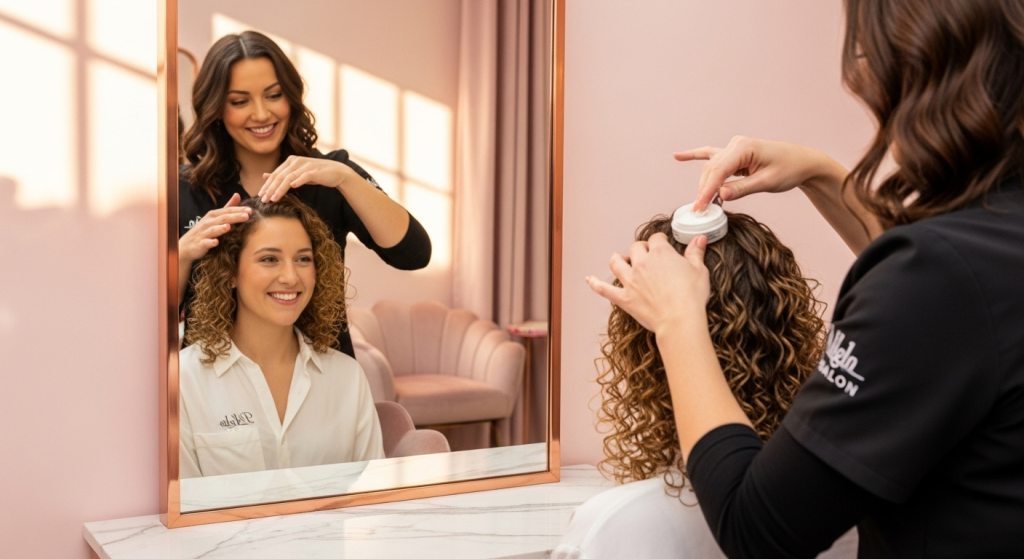
As a mother, there are countless moments when your child unwittingly hands you a second chance at life’s most tender challenges—and sometimes, at healing wounds you thought you’d buried long ago. Nurturing my daughter’s gorgeous curls didn’t just mean learning new wash routines or product tricks. For me, it was about healing childhood hair trauma—an invisible burden I’d carried beneath my own roots for years. Every gentle detangling session, every affirmation whispered as I braided her hair, slowly unraveled knots from my past. The journey wasn’t only about embracing her natural beauty; it became about rewriting my own story, one curl at a time.
The Roots of Childhood Hair Trauma: My Story Comes Full Circle
Looking back, my earliest memories around my hair were fraught with confusion and pain. Raised in an environment where straight hair was idolized and anything different was “corrected,” I grew up feeling that my thick, coily strands were undesirable. Hair days became battlegrounds—tugging brushes, stinging relaxers, dismissive comments, and the shame of never fitting in. It’s no wonder “healing childhood hair trauma” resonates so deeply for me.
When my daughter was born with the same springy curls, I promised myself her experience would be different. But that vow brought unexpected emotions to the surface. Would I unknowingly pass on my insecurities? Could I shield her from the world’s narrow beauty standards, when I’d struggled myself? Navigating these questions was the first step in my own healing.
Acknowledging Generational Patterns
To truly break the cycle, I had to identify the generational beliefs and grooming habits handed down to me:
– The insistence on straightening my hair before family events.
– Comparing my curl pattern to relatives who “just had better hair.”
– Absorbing the belief that “professional” or “beautiful” only meant sleek strands.
Awareness was the beginning of change. Each time I caught myself reaching for a straightening comb out of habit, I paused. Healing childhood hair trauma meant dissecting what was really my preference—versus what I’d been taught to value.
Why Healing Childhood Hair Trauma Matters for Generations
Unpacking this trauma isn’t about hair alone. It’s about self-worth, confidence, and connection to culture. The way we treat our children’s hair sends powerful messages about their identity and belonging. By facing my own discomfort, I was better able to nurture my daughter’s authentic self—laying a healthy foundation for future generations.
Discovering New Rituals: Turning Haircare into Healing
I realized quickly that healing childhood hair trauma would require practical changes to our daily routine. Redefining haircare transformed chores into moments of connection and self-love.
Rethinking Wash Day
For many, wash day was once dreaded. I wanted it to be a joyful experience, not a time of tears or frustration. Here’s how I shifted our mindset:
– Setting up a special playlist with her favorite songs.
– Letting her choose fun, colorful hair towels and bonnets.
– Making detangling a game: celebrating each section we finished.
I began to associate laughter and closeness with haircare—healing the memories of dread I once held.
Learning Together: Embracing Education
I recognized that to break cycles, I’d need new skills. Together, my daughter and I learned what her hair truly needed:
– Curl-friendly shampoos and conditioners.
– The importance of moisture—leaving in cream, using satin pillowcases.
– Protective styling without tension or damage.
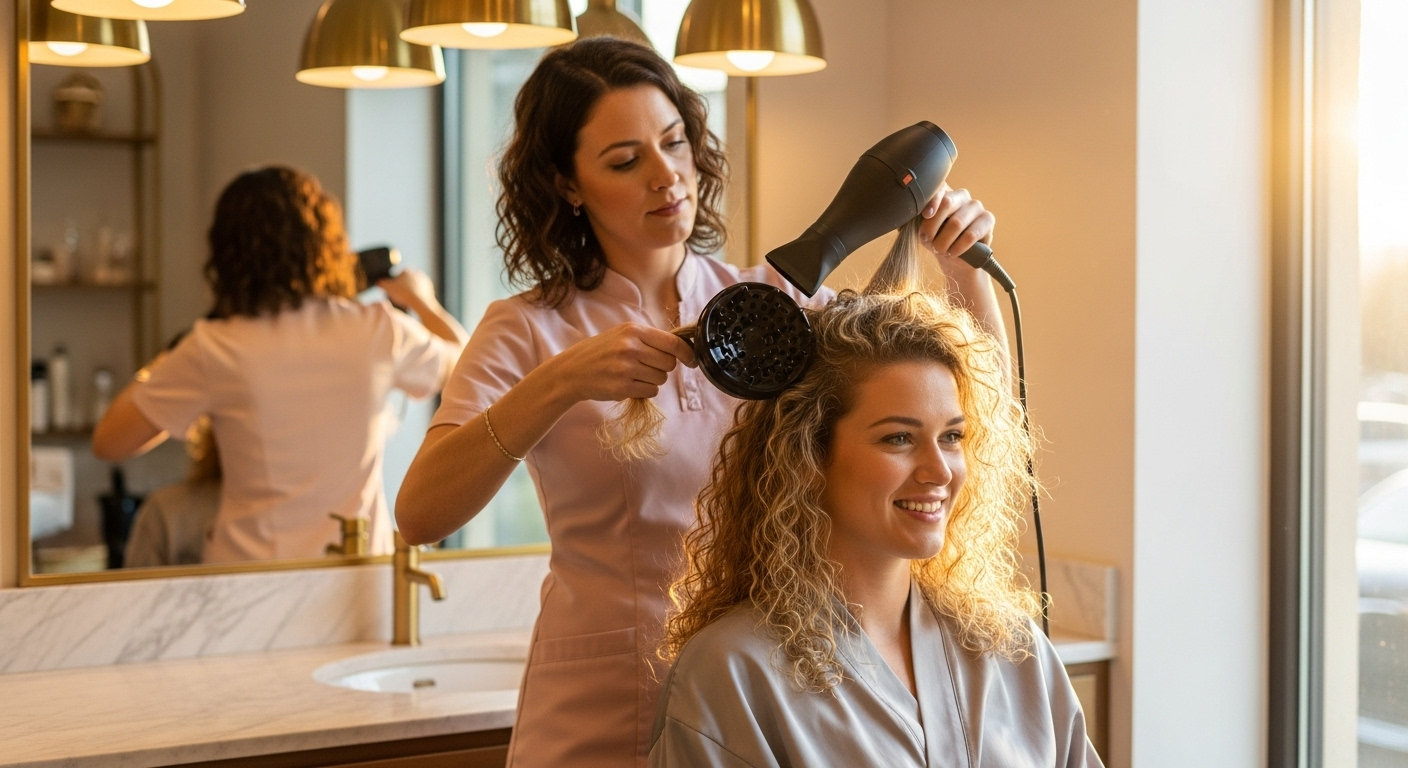
For professional guidance, I explored options like Hair Styling Services at trusted women’s salons. Watching stylists care for my daughter’s curls with expertise and respect taught us both that her hair was worthy of good treatment—at home and in the world.
The Power of Affirming Words
Self-talk matters. Each session, I made sure to say:
– “Your curls are magic!”
– “I love how unique your hair is.”
– “You don’t have to change for anyone.”
At first, these words felt awkward, even to me. But over time, my own heart started to believe them, too—a critical part of healing childhood hair trauma.
Overcoming Setbacks and Outside Influences
The broader world isn’t always kind to those with textured hair. There were moments when classmates or adults questioned my daughter’s “wild” hair, or suggested we “tame it” for special events. Old wounds resurfaced.
Establishing Boundaries with Others
I learned that advocating for my daughter’s curls was also advocating for myself:
– Politely correcting those who made insensitive remarks.
– Choosing schools and activities that celebrated diversity.
– Finding support groups—online and offline—for mothers on a similar path.
Refusing to let others define beauty for us was empowering. It reinforced the importance of healing childhood hair trauma for both our sakes.
Building a Curl-Friendly Support System
Seeking help was essential. I discovered resources and professionals who valued natural hair. The team at Bronze Salon, for instance, not only offered expert curl care, but created a welcoming, inclusive atmosphere.
Other ways to foster support included:
– Joining community events focused on textured hair care.
– Sharing our journey on family chat groups—educating relatives, too.
– Following positive role models who embraced their natural curls.
Having a community made the healing journey lighter.
Transforming Pain into Presence: Joyful Curl Routines
Everyday habits became opportunities to nurture both my daughter’s self-image and my own. Here’s how simple routines turned into rituals of healing childhood hair trauma.
Morning Affirmations and Detangling
Mornings started with a gentle detangle. Instead of rushing, I took the time to massage her scalp, talk about her day, and affirm her beauty. The physical act of combing her hair became entwined with emotional reassurance.
Spa Days at Home—and Beyond
Once a month, we celebrated a “curl spa day.” Sometimes, we visited professional salons for pampering sessions, such as Bath & Massage Services or Skincare Services for a full mom-and-daughter treat. These outings elevated her haircare to a special self-care event—something fun and cherished.
At home, we’d try DIY masks, scalp massages, or relaxing soaks. The focus was always on feeling good, not just looking good.
Celebrating Progress, Not Perfection
Previously, I would stress over a “perfect” hairstyle—no frizz, every curl in place. Now, I celebrated milestones like:
– “Your curls feel softer this week!”
– “Look how easily your hair detangles now.”
– “We’re learning together—mistakes happen, and that’s okay.”
This mindset shift was at the heart of healing childhood hair trauma: prioritizing progress, self-love, and joy over unattainable ideals.
Building Long-Term Confidence through Curl Care
The most profound gift of this journey has been watching my daughter’s confidence flourish—not just about her hair, but about her whole identity. Healing childhood hair trauma changed the way we both viewed ourselves.
Practical Strategies for Lasting Confidence
Implementing structured routines and affirmations made a lasting impact:
– Regular trims and professional styling (sometimes with expert help) for healthy, thriving curls.
– Encouraging her to experiment with gentle accessories—clips, bands, silk scarves—so she saw her hair as playful and creative.
– Teaching her how to care for her own hair as she got older, fostering independence and pride.
Over time, her friends started complimenting her unique curls, and she began to help classmates accept their own hair textures.
From Caregiver to Role Model
The truth is, our children observe more than we say. As I became more confident in my own appearance, embracing my natural hair, my daughter mirrored this self-assurance. By healing childhood hair trauma in myself, I became a living example for her—and even inspired other mothers in our community.
Practical Tips: Healing Childhood Hair Trauma in Your Family
Are you looking to break generational patterns and nurture healthy curl relationships at home? Try these actionable steps for healing childhood hair trauma—no matter your starting point.
1. Reflect on Your Childhood Experience
– Write down memories—good, bad, or neutral—about your childhood hair care.
– Identify beliefs or rules you want to change for your children.
– Share your feelings with a trusted friend or counselor if needed.
2. Educate Yourself and Seek Expert Guides
– Learn about curl types and appropriate products.
– Don’t hesitate to seek professional advice—consider services from a trusted beauty provider like Hair Styling Services.
– Stay open-minded as you try new approaches.
3. Create Positive, Gentle Hair Rituals
– Involve your child in choosing hair products and routines.
– Make hair care a relaxed, shared experience.
– Incorporate fun—storytelling, music, or games—to reduce tension.
4. Build Affirming Language Into Hair Moments
– Compliment your child’s hair frequently and specifically.
– Respond calmly to requests that stem from comparison (e.g., wanting straight hair)—emphasize uniqueness and all hair types’ value.
– Mirror self-love: let your child see you affirming your own natural features.
5. Foster Community and Professional Support
– Celebrate milestones with small rewards—like a pampering session at a local women’s spa.
– Exchange tips with other parents.
– Read inspiring stories on relevant blogs, like the Bronze Salon Beauty Blog.
6. When to Seek Additional Help
If hair trauma manifests as anxiety, withdrawal, or escalating self-criticism, consider speaking with a professional. Healing childhood hair trauma is about emotional health as much as physical hair care.
Extending Healing Beyond Hair: Beauty, Confidence, and Self-Care
The lessons I learned while caring for my daughter’s curls soon permeated other realms of our lives.
Nourishing Body and Mind
Self-care rituals at home—from spa baths to skincare—became regular family events. We made use of expert Nails Services and gentle wax sessions at Bronze Salon to introduce beauty as self-nourishment, not pressure.
Even tending to Eyebrows & Lashes or smoothing on face masks together became symbols of care, not correction.
Celebrating Unique Beauty and Building Community
With her newfound confidence, my daughter became more assertive in group settings—explaining her hair routine at school “show and tell,” celebrating different friends’ styles, and encouraging classmates to love their features.
Our journey inspired friends, siblings, and even extended family members to reconsider rigid standards and embrace individual beauty. Healing childhood hair trauma created a ripple effect, reminding everyone: when we heal ourselves, we heal generations.
The process of healing childhood hair trauma through my daughter’s curls has transformed more than just our hair routines—it has rewritten our family story. By gently unraveling old hurts and learning together, I’ve been able to offer her (and myself) acceptance, pride, and confidence that goes far beyond appearance.
If you’re on this journey, know you’re not alone. You deserve support and care as you break old cycles and foster self-love—starting right at the roots. Professional help is always within reach, whether you need guidance, a confidence-boosting treatment, or simply a nurturing space to recharge—reach out to Contact Bronze Salon or Book an Appointment for a pampering experience that honors your unique beauty.
Give yourself, and the next generation, the freedom to shine as you truly are. Healing starts today—let your journey be filled with gentle care, joyful curls, and lasting self-love.